
Complete Guide to Radon Testing and Home Protection in Kentucky
Radon is a colorless, odorless, tasteless gas that can enter a home without warning. You can't tell if a home has elevated radon levels by walking through it, checking the air, or looking at the foundation. The only way to know is to test.
This matters because radon can affect both older and newer homes. It can enter through cracks, gaps, crawl spaces, sump areas, and other openings where soil gas moves into the living space. For home buyers, sellers, and current owners, testing is an important part of home protection in Kentucky.
This professional radon testing guide explains what radon is, why testing matters, what the process includes, and how CHC Home Inspection helps homeowners get clear information before making property decisions.
Why Radon Testing Matters
Radon is linked to lung cancer risk, especially with long-term exposure. The risk can be higher for people who smoke or have smoked in the past. Since radon is invisible, homeowners may live with elevated levels for years without knowing.
Testing gives you useful information. It does not rely on guessing, seller memory, or appearance. It gives buyers and homeowners a clearer picture of the home’s indoor environment.
Radon testing is helpful because it can:
- Identify elevated levels: A test measures the radon level inside the home during the testing period. This helps determine whether further action is warranted.
- Support real estate decisions: Buyers can use the results to ask better questions before closing. Sellers can use testing to prepare before listing.
- Guide next steps: If levels are elevated, a qualified mitigation professional can review options to reduce radon entry.
- Improve long-term awareness: Even if results are not elevated, testing helps create a record for future maintenance planning.
This makes testing a practical step for home protection in Kentucky, especially during real estate transactions.
When Should You Test for Radon?
Radon levels can change over time due to weather, soil conditions, home updates, ventilation changes, and foundation conditions. Testing is useful in several situations.
Consider testing when buying a home, selling a home, finishing a basement, changing the HVAC system, sealing or remodeling lower areas, or if the home has never been tested before.
Testing is also helpful after a mitigation system is installed to confirm that levels were reduced. If a home already has a mitigation system, buyers should still ask whether recent test results are available.
Short-Term vs. Long-Term Radon Testing
Radon tests may be short-term or long-term. A short-term test is commonly used in real estate transactions because it provides results within a shorter inspection timeline. A long-term test measures conditions over a longer period and may provide a broader view of average exposure.
Both types have a purpose. The right choice depends on the reason for testing, the timeline, and the property situation.
For a real estate purchase, short-term testing is often useful because buyers need timely information before closing. Homeowners who want a longer view of indoor conditions may consider long-term testing.
This professional radon testing guide focuses on practical testing support for buyers, sellers, and homeowners who need clear results during property decisions.
What Happens During a Radon Test?
Professional testing follows a careful process so results are useful and reliable. The testing device is placed in an appropriate area of the home, often the lowest livable level or an area that best represents possible exposure. Placement matters because a poor location can affect the result.
During the test period, closed-house conditions are usually required for short-term testing. This means windows and exterior doors should stay closed except for normal entry and exit. HVAC systems may run normally, but avoid fans or unusual ventilation changes unless instructed.
After the test period ends, the device is collected, or results are reviewed, depending on the testing method. The report then explains the measured level and whether further action may be recommended.
What Does the EPA Action Level Mean?
The EPA recommends action when radon levels are at or above 4 pCi/L. This does not mean lower levels are risk-free. It means that 4 pCi/L is the level at which action is strongly recommended.
If the result is elevated, the next step is not to panic. The next step is to speak with a qualified radon mitigation professional. Mitigation systems are designed to reduce radon entry by moving soil gas away from the home before it enters the living space.
Buyers should also remember that elevated radon does not always mean a home is a bad purchase. It means the issue should be understood and addressed properly.
Why New Homes Still Need Testing
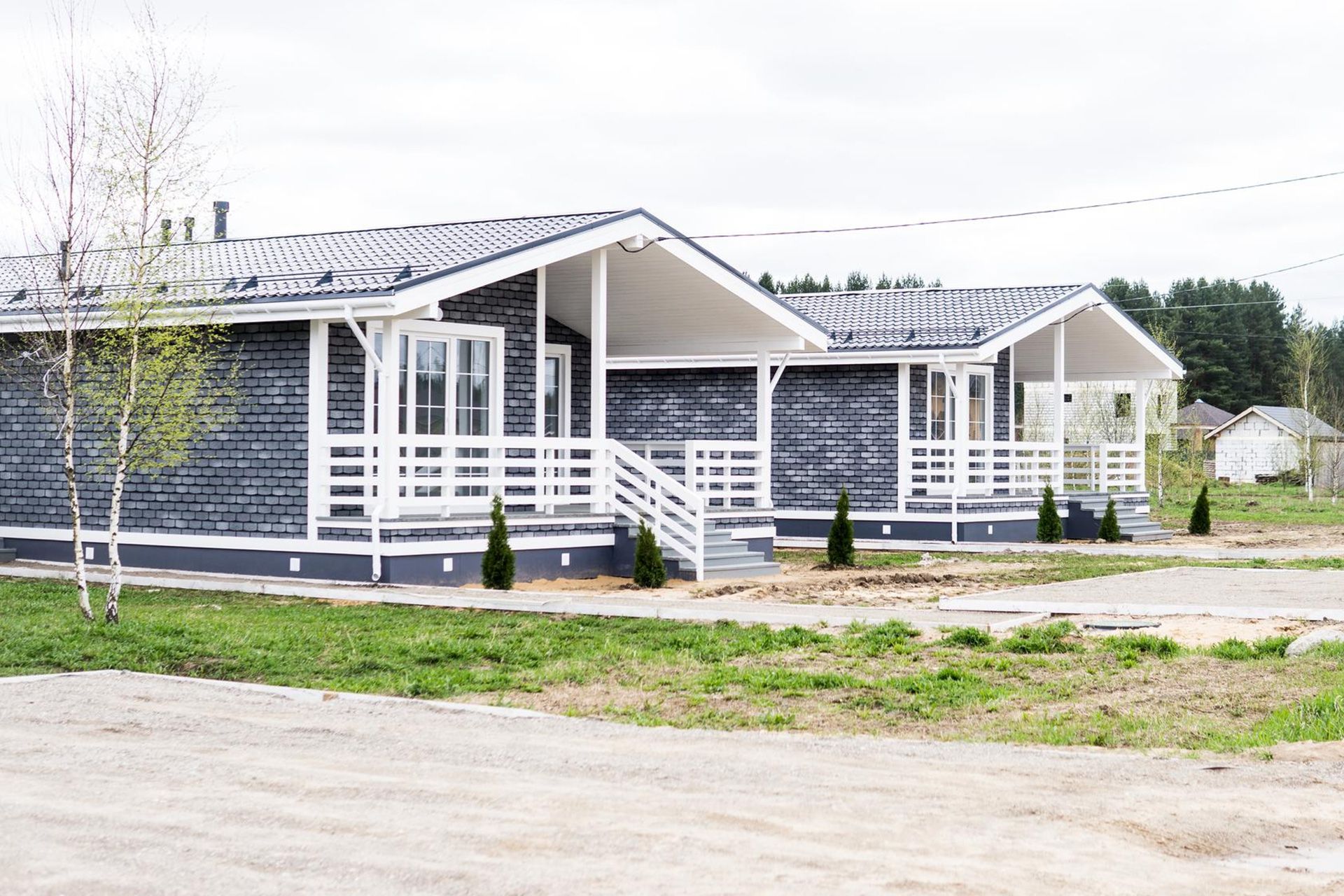
Some buyers assume a newer home is safe from radon. That is not always true. Radon comes from soil conditions below the home, not just the building's age. A new foundation, tight construction, or energy-efficient design does not remove the need for testing.
Even homes with radon-resistant construction features should be tested after completion. A system or rough-in helps only if it performs as intended.
This is why radon testing remains part of smart home protection in Kentucky for both older and newly built homes.
Common Radon Testing Mistakes to Avoid
Testing is simple, but mistakes can affect the usefulness of the results.
Avoid these common issues:
- Testing only one time and never again: Home conditions can change. Retesting may be helpful after renovations, mitigation, foundation changes, or long gaps without updated results.
- Opening windows during short-term testing: Extra ventilation can affect results. Follow testing instructions carefully during the test period.
- Assuming a neighbor’s result applies to your home: Radon levels can vary from house to house. Your property needs its own test.
These simple steps help protect the value of the test and support better home protection in Kentucky.
Conclusion: How CHC Home Inspection Helps
Radon is invisible, but that does not make it less important. Testing is the only reliable way to determine whether a home has elevated levels. Whether you are buying, selling, building, or maintaining a property, radon testing can provide clear information that supports safer decisions.
CHC Home Inspection provides radon testing support for buyers, sellers, homeowners, agents, and investors who need clear information. Our team understands how important accurate testing and clear reporting are during a real estate decision. When you schedule with CHC, you can expect professional placement, clear instructions, organized reporting, and simple explanations of the results.
Schedule radon testing with CHC Home Inspection today and move forward with greater confidence in your home.
FAQs
What is radon testing?
Radon testing measures the level of radon gas inside a home during a set testing period. The result helps determine whether further action may be recommended.
Can I smell or see radon in my home?
No. Radon has no smell, color, or taste. Testing is the only way to know the level inside a specific home.
Is radon only a problem in older homes?
No. Radon can affect older, newer, and newly built homes because it comes from soil gas beneath the structure.
What happens if the radon level is high?
If the result is elevated, a qualified radon mitigation professional can review options to reduce radon entry into the home.
Should sellers test before listing?
Yes, sellers may benefit from testing before listing because it can reduce surprises during negotiations and help answer buyer questions with documentation.
Disclaimer: The information on this website and blog is for general informational purposes only and is not professional advice. We make no guarantees of accuracy or completeness. We disclaim all liability for errors, omissions, or reliance on this content. Always consult a qualified professional for specific guidance.
Search Blog
Contact Us
Recent Post



Certificates

5+
Years Experienced
1200+
5 Star Reviews