
What Is Creosote and Why Is It Dangerous?
What is creosote? Creosote is a combustible black or brown residue that forms when wood smoke cools and condenses on the inside surfaces of a chimney or flue. It may appear flaky, crusty, sticky, tar-like, or hard and shiny. If enough buildup collects and reaches a high temperature, it can ignite and contribute to a chimney fire.
For homeowners with wood-burning fireplaces or stoves, some buildup can develop as the system is used. The concern is allowing deposits to continue accumulating without proper inspection and cleaning. A professional chimney inspection or fireplace inspection can help identify visible or accessible concerns related to buildup, deterioration, or venting conditions.
Understanding how creosote forms, what it looks like, and which burning habits increase buildup can help homeowners take better care of the fireplace and chimney.
How Does Creosote Form?
Creosote begins with wood smoke.
When firewood burns, it releases heat, water vapor, gases, particles, and other combustion byproducts. These materials move from the fireplace or wood stove into the chimney.
As the hot smoke rises into the cooler flue, some of those byproducts can cool and condense onto the chimney walls.
Over time, layer after layer can accumulate.
Several conditions can make this happen faster.
Burning Wet or Unseasoned Wood
Wet firewood uses part of the fire's energy to remove moisture from the wood before it can burn efficiently.
That often creates a cooler, smokier fire.
More smoke moving through a relatively cool chimney can lead to heavier deposits.
Dry, properly seasoned firewood usually burns more efficiently and produces less unnecessary smoke.
Restricted Airflow
A wood fire needs oxygen.
Closing air controls too far, failing to open the damper properly, or creating a long smoldering fire can reduce airflow.
The smoke then moves more slowly through the chimney and has more time to cool against the flue walls.
Cool Chimney Temperatures
Creosote forms more easily when smoke cools quickly.
Exterior chimneys, cold weather, poor insulation, and low-temperature fires can all affect flue temperature.
A colder flue does not automatically mean a dangerous amount of buildup is present, but it can create conditions that support faster accumulation.
Long Smoldering Fires
Some homeowners try to make a fire last longer by reducing airflow and allowing the wood to smolder.
This may reduce visible flame, but it can also produce more smoke and incomplete combustion.
Repeated low-temperature fires can increase chimney deposits over time.
What Does Creosote Look Like?
Creosote does not always have one appearance.
Depending on the burning conditions and how long deposits have been building, it may look very different from one chimney to another.
Common forms include:
- Dry and flaky deposits
- Crusty black or brown material
- Sticky or tar-like buildup
- Thick hardened residue
- Shiny or glazed deposits
Different forms may even appear in the same chimney.
That is why homeowners should not assume that only thick black tar is creosote.
A deposit can look relatively dry and still deserve attention.
What Are the Three Common Forms of Creosote?
Creosote is often described in three general forms or levels of buildup. These descriptions help explain how deposits may change as they become more concentrated and difficult to remove.
First-Degree Creosote
This is usually the lightest form.
It may appear as loose, flaky, or powdery material along the chimney surface.
This type can sometimes be removed more easily during professional mechanical sweeping.
Its presence still means wood-smoke residue has been collecting inside the system.
Second-Degree Creosote
This buildup tends to look more textured, crusty, or layered.
It may be harder and more difficult to remove than loose deposits.
A chimney with this type of buildup may require more intensive professional cleaning.
Third-Degree or Glazed Creosote
Glazed buildup is often dark, dense, shiny, and hard.
It can look almost like a coating of black glass or hardened tar inside the chimney.
This form can be especially difficult to remove and should be handled by a qualified chimney professional.
Do not try to chip hardened deposits out of a chimney with household tools.
Why Is Creosote Dangerous?
The main concern is that creosote is combustible.
If enough accumulates inside the flue and the temperature rises high enough, the deposits can ignite.
That can expose the chimney to temperatures far beyond normal fireplace operation.
The concern does not stop with the fire itself.
Extreme heat may damage:
- Flue liners
- Clay tiles
- Mortar joints
- Metal chimney components
- Dampers
- Masonry
- Nearby combustible building materials
A previous fire may also leave damage that is difficult to see from the fireplace opening.
That is why suspected chimney-fire history deserves professional evaluation before the fireplace is used again.
Is Creosote the Same as Chimney Soot?
No.
Creosote and soot are both combustion-related deposits, but they are not the same material.
Soot is generally a soft, powdery carbon-rich residue.
Creosote develops when wood-smoke compounds cool and condense inside the chimney. It may be flaky, sticky, crusty, tar-like, or glazed.
A chimney can contain both at the same time.
This difference matters because homeowners sometimes see black residue and assume everything inside the chimney is simply soot.
The type, amount, and location of buildup should be evaluated rather than guessed from the fireplace opening.
Does Every Wood-Burning Fireplace Develop Creosote?
Wood burning can create conditions that produce creosote, so some level of deposit may develop over time.
How quickly it accumulates varies significantly.
Factors include:
- Type of wood
- Moisture content of the wood
- Fireplace or stove design
- Chimney temperature
- Frequency of use
- Airflow
- Burning habits
- Flue condition
- Chimney configuration
Two homeowners using similar fireplaces may therefore have very different buildup levels.
This is one reason cleaning schedules should be based on actual condition rather than assuming every chimney needs exactly the same treatment at the same time.
How Can You Tell If Creosote Is Building Up?
Most of the chimney is hidden, so homeowners cannot accurately judge the entire flue from the living room.
Still, certain signs deserve attention.
Visible Black or Brown Deposits
You may notice dark buildup in accessible portions of the firebox, smoke chamber, damper area, or visible flue.
Heavy deposits deserve further evaluation.
Strong Fireplace Odors
A chimney with deposits may develop a strong smoky or tar-like odor.
The smell can sometimes become more noticeable during warm or humid weather.
Poor Draft
If smoke begins moving slowly or entering the room, the chimney may have an airflow problem.
Creosote is only one possible cause. Debris, a damper issue, pressure changes, or another blockage may also be involved.
Falling Debris
Flakes or pieces falling into the firebox may come from chimney deposits or deteriorating chimney materials.
Do not assume the material is harmless without identifying its source.
Unknown Maintenance History
If you recently bought a home and do not know when the chimney was last professionally evaluated or cleaned, the absence of visible buildup does not confirm that the hidden flue is clean.
Can Creosote Cause a Chimney Fire?
Yes.
Creosote buildup is one of the most important fire concerns associated with wood-burning chimneys.
A hot fire, sparks, or other high-temperature conditions can ignite combustible deposits.
A chimney fire may produce:
- Roaring or rumbling sounds
- Popping or cracking
- Sparks from the chimney
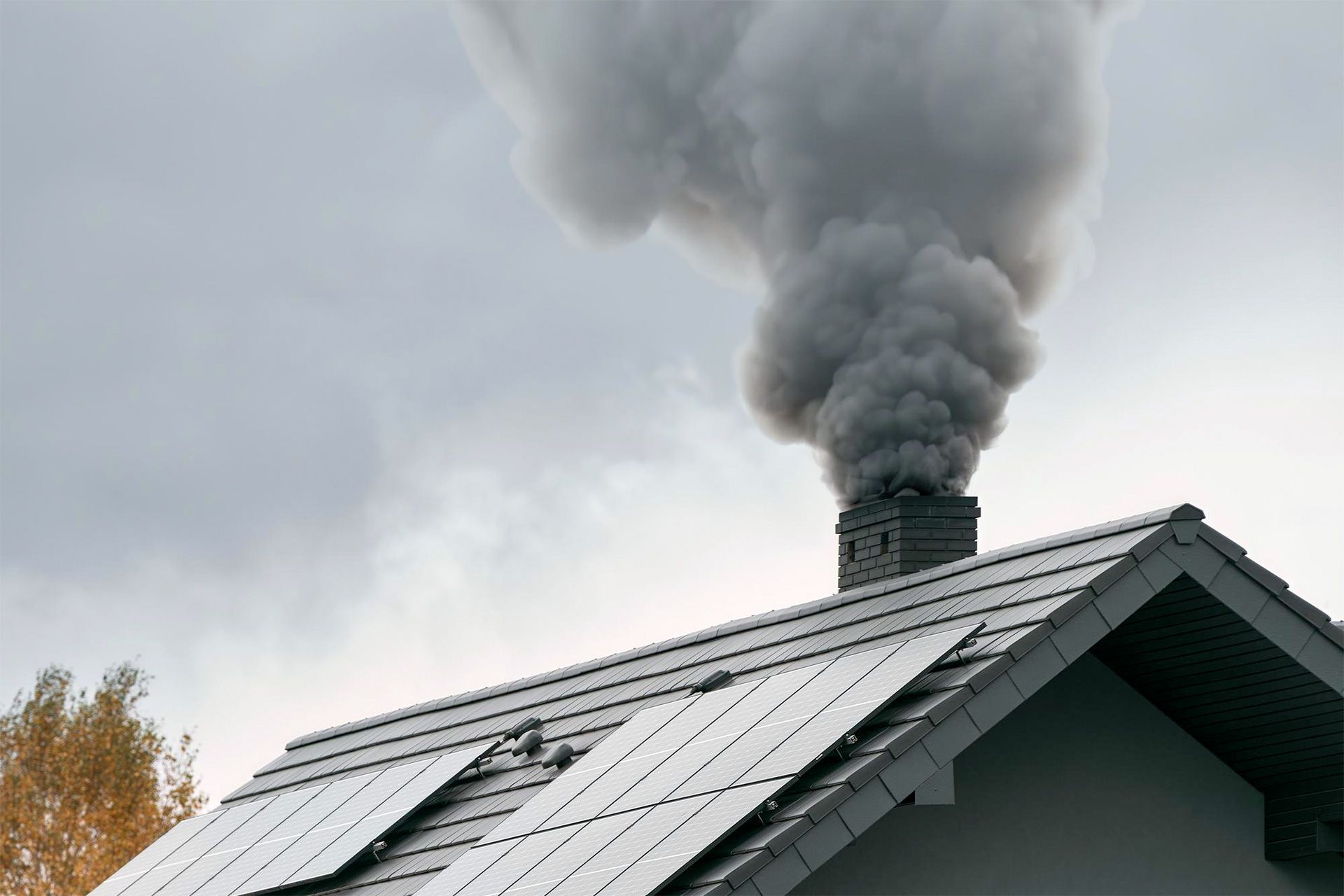
- Heavy smoke
- Unusual heat
- Flames from the chimney top
Some fires can also occur without dramatic visible signs.
If you suspect an active chimney fire, leave the home and call emergency services.
Do not continue using a chimney after a suspected fire until it has been evaluated by a qualified chimney professional.
How Can Homeowners Reduce Creosote Buildup?
You cannot control every factor, but good fireplace habits can reduce conditions that encourage heavy deposits.
Burn Dry, Seasoned Wood
Firewood should be properly dried before use.
Wet wood creates more smoke and tends to burn at lower temperatures.
A moisture meter can help homeowners check wood before burning it.
Wood with moisture content below about 20 percent generally burns more efficiently.
Maintain Proper Airflow
Follow the fireplace or wood-stove manufacturer's operating instructions.
Avoid closing air controls too far simply to make the fire last longer.
A hot, efficient fire generally creates less smoke than a long, smoldering one.
Do Not Burn Household Trash
Avoid burning:
- Plastic
- Painted lumber
- Pressure-treated wood
- Household garbage
- Construction materials
- Coated packaging
Use only the fuel approved for the fireplace or stove.
Pay Attention to Smoke
Heavy smoke can indicate wet wood, poor airflow, or inefficient burning.
If your fireplace suddenly produces much more smoke than normal, do not assume the problem will correct itself.
Keep Up With Chimney Care
Regular inspection helps identify deposits and other visible conditions before they become more serious.
Cleaning should be performed when buildup warrants it.
How Often Should Creosote Be Removed?
There is not one cleaning schedule that fits every fireplace.
A lightly used fireplace burning dry wood may accumulate deposits differently from one used every day throughout winter.
The type of buildup matters too.
Loose soot and flaky residue are different from glazed deposits.
A qualified chimney professional can evaluate the chimney and determine whether sweeping or more specialized removal is appropriate.
Annual chimney inspection is widely recommended, with cleaning performed as needed based on the condition of the system.
Can You Remove Creosote Yourself?
Basic fireplace cleaning and professional chimney cleaning are not the same thing.
A homeowner may be able to remove cooled ash and clean accessible fireplace surfaces.
Removing deposits from the chimney flue is different.
The chimney may have:
- Long vertical sections
- Offsets
- Hidden damage
- Hard deposits
- Multiple types of buildup
- Areas that cannot be reached from the firebox
Trying to scrape or knock deposits loose without the proper tools can leave buildup behind or create other problems.
CHC Home Inspection does not perform chimney sweeping or creosote removal.
A qualified chimney professional should handle cleaning when the venting system needs to be swept.
Do Creosote Sweeping Logs Replace Professional Cleaning?
No.
Products marketed as creosote sweeping logs or chemical chimney cleaners should not be treated as substitutes for mechanical chimney inspection and cleaning.
Some products may alter the condition of certain deposits, but loosened material may still remain elsewhere in the chimney and need to be physically removed.
Chemical products also cannot tell you whether the chimney has:
- Cracked liners
- Loose masonry
- Water damage
- Blockages
- Improper clearances
- Other structural concerns
The condition of the full chimney system still matters.
Why Does Creosote Matter When Buying a Kentucky Home?
Fireplaces are common features in Kentucky homes, but buyers often have little information about how the previous owner used them.
You may not know:
- What type of wood was burned
- How frequently the fireplace was used
- When the chimney was last swept
- Whether heavy deposits were previously found
- Whether a chimney fire occurred
- Whether repairs were completed
- Whether the chimney has been professionally evaluated
A clean-looking hearth does not answer those questions.
Most of the flue remains hidden from normal view.
If an inspector sees heavy deposits, staining, damaged fireplace components, or other concerns, further evaluation by a chimney professional may be appropriate before regular use.
What Does CHC Home Inspection Evaluate?
CHC Home Inspection provides visual, non-invasive fireplace inspections for buyers, sellers, and homeowners throughout Kentucky.
Depending on visibility and accessibility, inspectors may evaluate:
- Firebox
- Hearth
- Fireplace surround
- Damper
- Visible portions of the flue
- Accessible chimney exterior
- Masonry
- Chimney cap
- Visible deposits
- Moisture staining
- Signs of deterioration
- Other accessible fireplace components
If visible creosote or other conditions suggest that deeper evaluation or cleaning is needed, the report may recommend a qualified chimney specialist.
CHC does not perform chimney sweeping, creosote removal, or invasive internal chimney camera inspections.
This distinction helps homeowners understand when a standard home inspection is useful and when a specialized chimney service is the better next step.
When Should You Stop Using the Fireplace?
Stop using the fireplace and arrange professional evaluation when you notice conditions such as:
- Heavy or glazed-looking deposits
- Repeated smoke entering the room
- Strong persistent chimney odors
- Falling chimney debris
- Poor draft
- Unusual roaring or popping sounds
- Sparks or flames from the chimney
- Signs of previous excessive heat
- Visible chimney damage
You should also be cautious when the maintenance history is completely unknown.
Do not assume that a fireplace is ready to use simply because it worked for the previous homeowner.
Conclusion
Understanding what creosote is helps homeowners recognize why regular fireplace and chimney care matters. Creosote forms when wood-smoke byproducts cool and collect inside the chimney. It may appear flaky, crusty, sticky, tar-like, or glazed, and heavier deposits can become a serious fire concern.
Dry firewood, proper airflow, good burning habits, regular inspections, and professional cleaning when needed can help reduce excessive buildup.
If you are buying, selling, or maintaining a Kentucky home with a wood-burning fireplace, CHC Home Inspection can evaluate visible and accessible fireplace and chimney components and document concerns that may require specialist follow-up. When deeper chimney evaluation or creosote removal is needed, a qualified chimney professional can handle that specialized work.
Schedule your fireplace inspection with CHC Home Inspection to better understand the visible condition of your fireplace and chimney before regular use.
Frequently Asked Questions
What is creosote made from?
Creosote is a residue created when substances in wood smoke cool and condense on chimney surfaces. It can contain a mixture of unburned combustion byproducts and may change from loose deposits to sticky or hardened material.
What color is creosote?
Creosote is commonly black or brown. Its texture may be more useful than color for recognizing different forms because it can appear flaky, crusty, sticky, tar-like, shiny, or hard.
Is a little creosote normal?
Some buildup can occur when wood is burned, but homeowners should not use the amount visible from the firebox to judge the entire chimney. Regular professional inspection can determine whether cleaning is needed.
What is the difference between soot and creosote?
Soot is generally a soft, powdery carbon-based residue. Creosote forms from condensed wood-smoke byproducts and may become flaky, sticky, tar-like, or glazed. Both can exist in the same chimney.
Can creosote catch fire?
Yes. Creosote is combustible. If enough buildup accumulates and reaches a sufficiently high temperature, it can ignite inside the chimney.
Can I remove creosote with a chimney-cleaning log?
A cleaning log should not replace professional chimney inspection or mechanical sweeping when cleaning is needed. Some products may affect certain deposits, but the chimney still needs proper evaluation and removal of loosened material.
Does CHC Home Inspection remove creosote?
No. CHC Home Inspection provides visual, non-invasive fireplace inspections. CHC does not perform chimney sweeping or creosote removal. If significant buildup is visible or suspected, a qualified chimney professional may be recommended.
Disclaimer: The information on this website and blog is for general informational purposes only and is not professional advice. We make no guarantees of accuracy or completeness. We disclaim all liability for errors, omissions, or reliance on this content. Always consult a qualified professional for specific guidance.
Search Blog
Contact Us
Recent Post

Certificates


5+
Years Experienced
1200+
5 Star Reviews