
Gas Fireplace Cleaning & Inspections: What to Expect
Gas fireplace cleaning and inspection help keep the appliance clean, identify visible wear, and check whether important components appear to be operating as intended. A professional gas fireplace inspection may include reviewing the glass and firebox area, checking the burner and pilot system, examining seals and venting, and looking for signs of damage or unusual buildup. Homeowners should also understand that a home inspection is different from appliance servicing or repair.
Gas fireplaces are often easier to maintain than wood-burning fireplaces because they do not produce piles of ash or the same type of wood-burning creosote buildup. However, that does not mean they are maintenance-free.
Dust, pet hair, debris, residue, worn components, and venting problems can still develop over time.
Do Gas Fireplaces Need Cleaning?
Yes. Gas fireplaces still need periodic cleaning even though they burn differently from wood fireplaces.
Dust can settle inside the firebox and around decorative logs or media. Pet hair and household debris may collect near air openings or fans. Glass can develop a cloudy film or other residue.
The burner area may also collect dust and debris that should be handled carefully.
Regular gas fireplace cleaning can help keep visible components in better condition and give a qualified technician an opportunity to notice problems that may otherwise go unnoticed.
The exact cleaning schedule depends on the fireplace model, how often it is used, and the manufacturer's maintenance instructions.
Why Does a Gas Fireplace Need an Inspection?
Cleaning removes dirt and residue. Gas fireplace inspection focuses on condition and operation.
A gas fireplace includes more than decorative logs and flames.
Depending on the model, it may contain:
- Burner components
- Pilot assembly
- Ignition system
- Gas controls
- Glass panels
- Door seals or gaskets
- Venting
- Blower or fan
- Wiring
- Decorative logs or media
- Safety controls
Any of these components can wear, become dirty, shift, or develop another problem.
A professional inspection helps identify concerns before homeowners simply assume the fireplace is ready for another heating season.
Gas Fireplace Cleaning vs. Inspection: What Is the Difference?
Although the services often happen together, they have different purposes.
| Gas Fireplace Cleaning | Gas Fireplace Inspection |
|---|---|
| Removes dust and debris | Evaluates visible condition |
| Cleans approved glass surfaces | Checks glass and seals |
| Cleans accessible firebox areas | Reviews burner and ignition condition |
| Removes buildup from approved components | Looks for wear or deterioration |
| Helps keep air openings clear | Checks accessible venting concerns |
| Improves appearance | Identifies issues that may need service |
Cleaning does not automatically mean every component has been properly inspected.
Likewise, an inspection does not necessarily mean the appliance has received a full professional cleaning or tune-up.
Ask exactly what is included when scheduling service.
What Happens During Professional Gas Fireplace Cleaning?
The exact process varies by fireplace manufacturer and model.
A qualified technician should follow the appliance's service instructions rather than use the same cleaning method for every fireplace.
A typical appointment may include several steps.
The Fireplace Is Turned Off and Allowed to Cool
A gas fireplace can become extremely hot.
Before components are handled or glass is removed, the appliance should be completely cool.
Gas and electrical power may also need to be turned off depending on the service being performed.
The Exterior Is Checked
The technician may begin by looking at the fireplace surround, screen, glass, controls, and other visible components.
This can reveal obvious concerns such as:
- Cracked glass
- Loose components
- Discoloration
- Damaged screens
- Corrosion
- Unusual residue
Visible changes can provide useful clues before the appliance is opened.
Glass Is Cleaned
Gas fireplace glass can develop a cloudy or whitish film over time.
The correct cleaning method depends on the fireplace.
Abrasive household cleaners should not automatically be used because they may scratch or damage certain glass surfaces.
The manufacturer's instructions should determine which cleaning products are appropriate.
Dust and Debris Are Removed
Dust can collect inside the firebox and around the burner area.
A technician may carefully remove loose debris using tools appropriate for the appliance.
The goal is not to disturb components unnecessarily.
Decorative logs and media often have specific positions. Moving them incorrectly can affect flame patterns or appliance operation.
Burner Components Are Examined
The burner is an important part of the fireplace.
The technician may check accessible burner openings for debris or buildup and look for signs of deterioration.
Cleaning methods vary by model.
Gas components should not be taken apart or altered by homeowners unless the manufacturer's instructions specifically allow that task.
What Does a Gas Fireplace Inspection Include?
A professional gas appliance technician may perform a more detailed gas fireplace inspection than a standard home inspector.
Depending on the fireplace, the service may include checking:
- Glass condition
- Glass seals
- Door gaskets
- Burner condition
- Pilot assembly
- Ignition system
- Flame appearance
- Venting
- Air passages
- Fan or blower
- Wiring
- Gas connections
- Control components
- Decorative logs or media
- Exterior termination
The technician may also operate the fireplace and observe how it starts and burns.
Some appliance checks require tools or procedures that are outside the scope of a normal home inspection.
What Should a Gas Fireplace Flame Look Like?
Flame appearance varies by model.
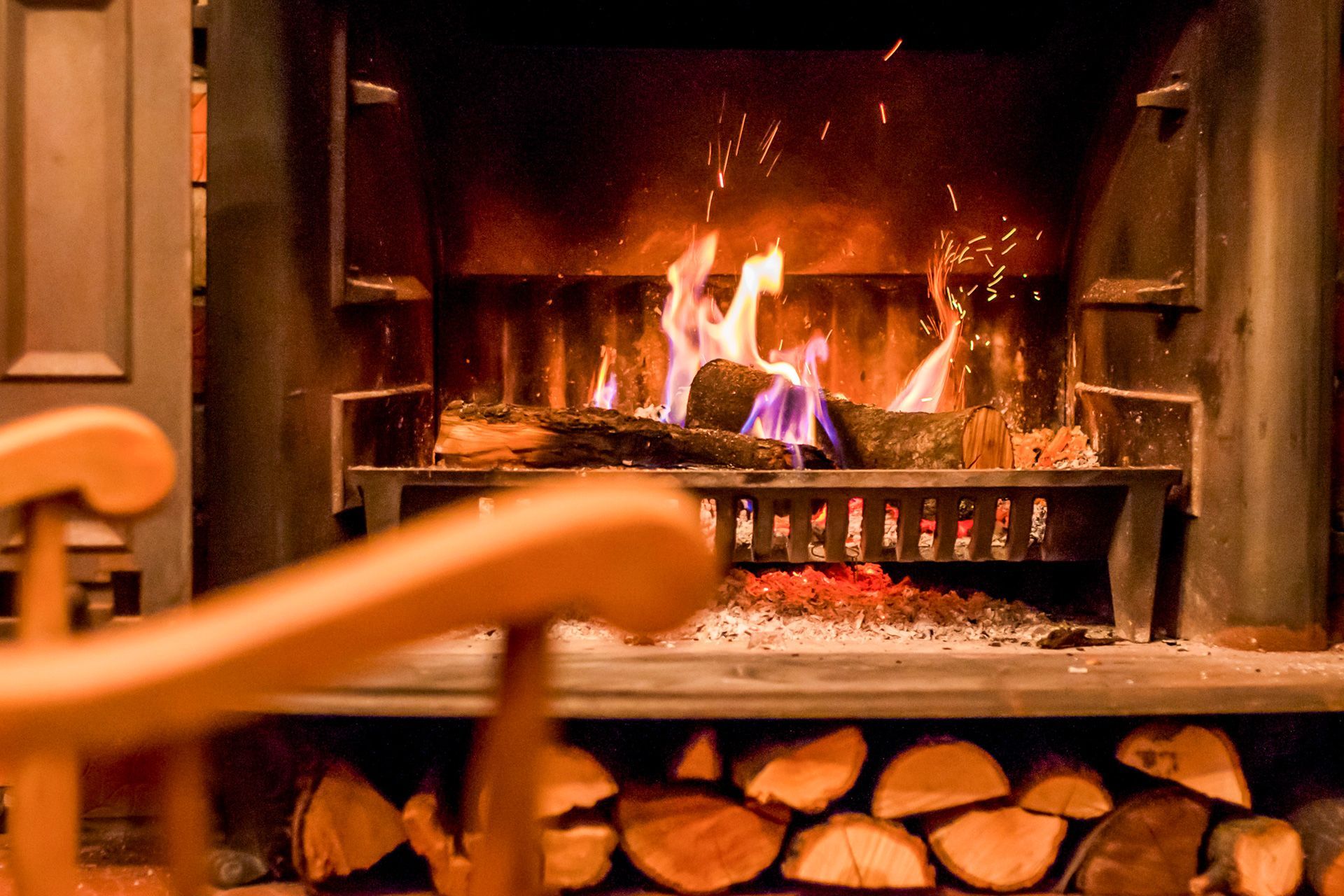
Many gas fireplaces are designed to produce yellow or orange decorative flames, while other portions of the burner may appear blue.
Homeowners should not judge fireplace safety based only on flame color.
What matters is whether the flame pattern matches the design of that particular appliance.
A sudden change may deserve attention.
For example, have the fireplace evaluated if you notice:
- Unusual soot
- Flames contacting areas they did not before
- Delayed ignition
- Repeated pilot problems
- An unusual odor
- Frequent shutdowns
- Major changes in flame pattern
Do not try to adjust burner settings without knowing the manufacturer's approved procedure.
Why Is My Gas Fireplace Glass Cloudy?
Cloudy glass does not always mean something is seriously wrong.
Gas fireplace glass may develop a light film during normal use.
Dust, combustion residue, and mineral-like deposits can also affect appearance.
However, heavy black soot is different.
A properly operating gas fireplace should not continually cover the glass with thick black deposits.
Persistent blackening can be a reason to have the appliance professionally evaluated.
Cleaning the glass alone may improve appearance, but it will not correct an underlying combustion or venting problem.
Does a Gas Fireplace Produce Soot?
A gas fireplace can produce soot when combustion is not occurring as intended.
Heavy black soot should not be considered routine maintenance buildup.
Possible contributing conditions can include problems with:
- Burner operation
- Airflow
- Log placement
- Venting
- Gas supply
- Burner adjustment
Decorative logs are especially important.
Many gas fireplaces require the logs to remain in specific positions. Incorrect placement can interfere with the designed flame pattern.
If the fireplace is producing unusual soot, have it evaluated rather than repeatedly wiping the glass clean.
Should Gas Fireplace Logs Be Cleaned?
Decorative gas logs can collect dust.
However, they can also be fragile.
Some are made from ceramic or other materials that can crack or crumble if handled roughly.
Do not wash, scrub, repaint, or reposition them unless the appliance instructions specifically allow it.
A qualified technician can remove loose dust using an appropriate method while keeping each log in its required position.
Take a photo before removing any fireplace media if the manufacturer's instructions permit homeowner cleaning. This can help ensure the pieces return to the correct locations.
When uncertain, leave the logs in place.
Can Homeowners Clean a Gas Fireplace Themselves?
Some basic cleaning may be appropriate for homeowners, depending on the fireplace manual.
Simple tasks may include:
- Dusting the exterior
- Cleaning approved accessible glass surfaces
- Vacuuming around the fireplace exterior
- Keeping air openings clear
- Checking the exterior vent termination from a safe location
- Replacing remote-control batteries when required
Always allow the fireplace to cool completely first.
Read the owner's manual before opening panels or removing glass.
The important difference is between basic homeowner cleaning and professional appliance servicing.
Homeowners should not disassemble gas valves, modify burner components, bypass safety devices, change gas pressure, or move components without approved instructions.
What Should Homeowners Avoid Cleaning?
More cleaning is not always better.
Avoid experimenting with components connected to gas delivery or combustion.
Do not:
- Take apart the gas valve
- Adjust the burner without instructions
- Bend pilot components
- Modify the thermocouple or thermopile
- Bypass safety switches
- Reposition logs randomly
- Spray household cleaner onto burner components
- Use abrasive products on fireplace glass
- Clean hot glass
- Force controls that do not move normally
If a component looks damaged or does not work correctly, stop and call the appropriate professional.
How Often Should a Gas Fireplace Be Cleaned and Inspected?
Start with the maintenance schedule in the owner's manual.
Many manufacturers recommend professional fireplace inspection and maintenance on an annual basis, often before the main heating season.
Frequency can also depend on:
- How often the fireplace is used
- Fireplace type
- Appliance age
- Manufacturer requirements
- Dust and pet hair
- Previous operating problems
A fireplace used occasionally still deserves attention.
Components can deteriorate or collect debris even when the appliance is not operated every day.
When Is the Best Time to Schedule Service?
Before the heating season is often a practical time.
For Kentucky homeowners, late summer or early fall can provide an opportunity to address problems before colder weather increases fireplace use.
You may also want service after the heating season if the fireplace has been used heavily.
Do not wait for a specific season if the appliance is already showing a problem.
Unusual soot, gas odors, ignition trouble, damaged glass, vent concerns, or repeated shutdowns should be evaluated when they occur.
What Are Warning Signs a Gas Fireplace Needs Professional Attention?
Some symptoms are more important than routine dust.
Schedule professional service if you notice:
- Strong or unusual gas odor
- Black soot on the glass or surrounding area
- Delayed ignition
- Pilot light problems
- Fireplace repeatedly shutting off
- Cracked glass
- Damaged seals
- Corrosion
- Unusual noises
- Changes in flame pattern
- Damaged vent components
- Visible debris around a vent termination
If you smell a strong gas odor, do not continue trying to start the fireplace.
Leave the area when appropriate and follow the emergency guidance of your gas utility or local emergency service.
Why Venting Is Important
Gas fireplace venting carries combustion products to the exterior when the system is designed to vent outdoors.
Different fireplaces use different venting systems.
Some use direct venting. Others may vent through a chimney or another approved system.
Vent-free appliances operate differently and have their own installation and maintenance requirements.
A blocked or damaged vent should not be ignored.
Exterior vent terminations can sometimes collect:
- Leaves
- Debris
- Insect material
- Animal nesting
- Snow or ice
- Vegetation
Homeowners can look at accessible exterior terminations from a safe location, but repairs or internal vent inspection should be left to the appropriate professional.
What Is the Difference Between Gas Fireplace Service and a Home Inspection?
This distinction is especially important for CHC clients.
A gas-fireplace service technician may clean, test, adjust, diagnose, or repair appliance components.
A home inspector has a different role.
CHC Home Inspection performs a visual, non-invasive fireplace inspection.
Depending on accessibility and inspection scope, the inspector may evaluate visible components such as:
- Fireplace exterior
- Hearth
- Surround
- Glass
- Accessible controls
- Visible firebox areas
- Accessible venting components
- Visible chimney components when applicable
- Evidence of staining or deterioration
The inspection helps document observable property concerns.
It is not a gas appliance tune-up or repair service.
Does CHC Home Inspection Provide Gas Fireplace Cleaning?
No.
CHC Home Inspection does not provide professional gas fireplace cleaning, gas valve repair, burner adjustment, appliance disassembly, or other specialized gas-fireplace maintenance.
CHC's role is inspection.
If an inspector identifies a condition that requires cleaning, appliance servicing, gas diagnosis, or repair, further evaluation by an appropriate qualified professional may be recommended.
Keeping these roles separate prevents homeowners from expecting a standard home inspection to replace specialized appliance maintenance.
Why Gas Fireplace Condition Matters When Buying a Home
Home buyers may know very little about a fireplace's maintenance history.
The seller may not remember:
- When it was last professionally serviced
- Whether the pilot has caused problems
- Whether the glass repeatedly develops soot
- Whether components have been repaired
- How old the fireplace is
- Whether the manufacturer's maintenance schedule has been followed
A fireplace may also be difficult to evaluate during a showing.
That makes the home inspection an important opportunity to document visible conditions.
If the inspection raises concerns about operation, venting, gas components, or internal appliance condition, a qualified gas-fireplace technician can provide deeper evaluation.
What Should Sellers Do Before Listing?
Sellers should avoid hiding fireplace concerns with cosmetic cleaning.
If the glass repeatedly turns black or the pilot will not stay lit, cleaning the visible surface does not address the cause.
Instead, consider addressing known operating concerns before listing.
Sellers can also locate useful information such as:
- Fireplace manual
- Model number
- Previous service records
- Installation documents
- Repair records
Providing clear maintenance information may help buyers better understand the appliance.
Can a Fireplace Be Clean but Still Have a Problem?
Yes.
A clean appearance does not prove that every internal component is functioning correctly.
For example, a fireplace can have spotless glass but still have a worn seal, ignition problem, damaged vent component, or another condition that is not obvious from across the room.
The opposite is also true.
Dust on the fireplace does not automatically mean the appliance has a serious defect.
Cleaning and inspection answer different questions.
That is why a complete maintenance approach should consider both.
What to Expect Before Your Inspection
If CHC Home Inspection will be evaluating a fireplace during a property inspection, make the area accessible when possible.
Avoid placing furniture, decorations, boxes, or other items directly in front of the unit.
If you have the manufacturer's manual or previous service records, keep them available.
Do not attempt last-minute repairs before the inspection.
Visible conditions often provide useful information about how the fireplace has been maintained.
For gas appliances, the inspector will remain within the visual and non-invasive scope of the inspection.
Specialized cleaning, testing, or repairs may require separate service.
Conclusion
Gas fireplace cleaning removes dust, film, and approved buildup, while an inspection looks for visible wear, damage, venting concerns, and operating issues. Both can play a role in maintaining a gas fireplace, but specialized appliance cleaning and servicing should be completed according to the manufacturer's instructions by an appropriate professional.
Homeowners should pay particular attention to black soot, damaged glass, unusual odors, delayed ignition, repeated pilot problems, and noticeable changes in fireplace operation.
For Kentucky buyers, sellers, and homeowners, CHC Home Inspection provides visual, non-invasive fireplace inspections designed to document accessible conditions and explain when specialist follow-up may be appropriate. If professional cleaning, gas appliance service, or repair is needed, the appropriate qualified technician can then address those specific components.
Schedule your fireplace inspection with CHC Home Inspection to better understand the visible condition of the fireplace before your next property decision.
Frequently Asked Questions
Do gas fireplaces need to be professionally cleaned?
Gas fireplaces require less cleaning than wood-burning fireplaces, but they still collect dust, debris, glass film, and other residue. Follow the manufacturer's maintenance instructions and use a qualified technician for cleaning that involves internal gas or burner components.
How often should a gas fireplace be inspected?
Check the maintenance schedule for your specific appliance. Many gas fireplace manufacturers recommend annual professional maintenance or inspection, especially before regular seasonal use.
Why does my gas fireplace glass turn black?
Heavy black soot may indicate that the fireplace is not burning as intended. Burner problems, airflow, venting, log placement, or other combustion conditions can contribute. Repeated blackening should be professionally evaluated.
Can I clean gas fireplace logs myself?
Gas logs can be fragile and often must remain in specific positions. Do not scrub, wash, or reposition them unless the manufacturer's instructions specifically explain how to do so.
Does CHC Home Inspection clean gas fireplaces?
No. CHC Home Inspection provides visual, non-invasive fireplace inspections. Professional gas fireplace cleaning, appliance servicing, burner adjustments, and repairs should be handled by the appropriate qualified technician.
Is a gas fireplace inspection included in a home inspection?
Visible and accessible fireplace components may be evaluated within CHC's applicable home inspection scope. This does not replace specialized gas-appliance servicing, cleaning, or repair.
Should I inspect a gas fireplace before buying a home?
Yes. A visual inspection can help identify accessible concerns such as damaged glass, deterioration, staining, venting concerns, or other visible conditions. Specialized evaluation may be recommended if the appliance shows operating or gas-related concerns.
Disclaimer: The information on this website and blog is for general informational purposes only and is not professional advice. We make no guarantees of accuracy or completeness. We disclaim all liability for errors, omissions, or reliance on this content. Always consult a qualified professional for specific guidance.
Search Blog
Contact Us
Recent Post


Certificates


5+
Years Experienced
1200+
5 Star Reviews