
Chimney Fire: What Causes Chimney Smoke and How to Stay Safe?
A chimney fire usually happens when creosote or other combustible buildup ignites inside the chimney flue. Chimney smoke entering the home can also result from a blocked flue, poor draft, a closed damper, or wet firewood. If you hear roaring sounds, see sparks or flames, or notice unusual heat or heavy smoke, leave the home and call 911. Homeowners should stop using the fireplace until the chimney has been properly evaluated.
Knowing the difference between normal fireplace smoke, a venting problem, and an actual fire can help you respond faster and avoid further damage.
This guide explains the common causes, warning signs, safety steps, and what to do after a suspected fire.
What Is a Chimney Fire?
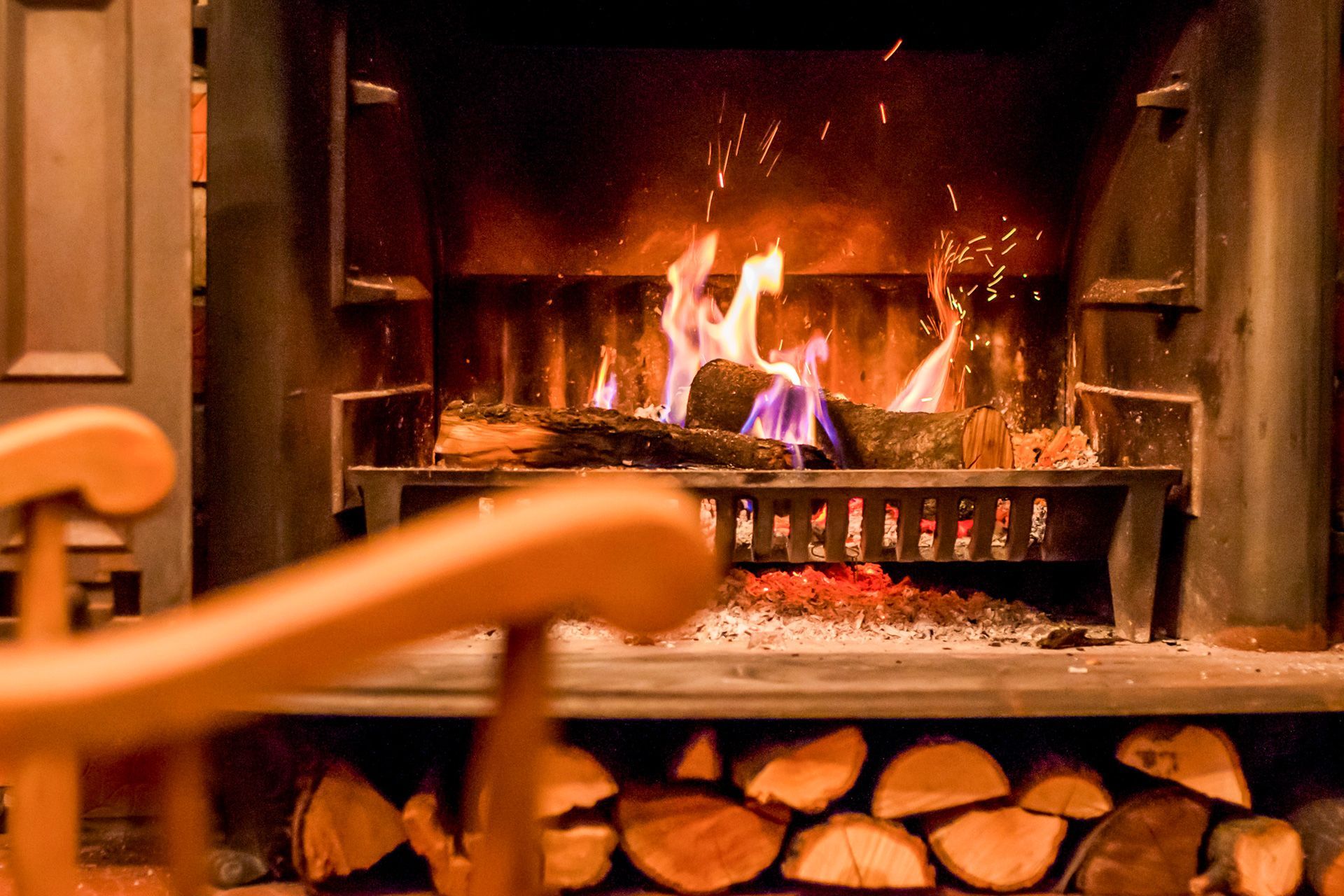
This type of fire burns inside the chimney system instead of staying in the fireplace or stove, where the fuel is meant to burn. The usual fuel is creosote, a combustible residue that can collect on the inside of the flue as wood smoke cools.
Creosote may look flaky, crusty, sticky, tar-like, or hard and shiny. When enough builds up and temperatures inside the flue become high enough, the deposit can ignite.
Some fires are dramatic. Homeowners may hear roaring, rumbling, popping, or cracking. They may see dense smoke, sparks, or flames coming from the chimney top. Other fires can burn more slowly and may not be obvious while they are happening.
That is why a fireplace should not be assumed safe simply because no major fire was noticed.
Chimney Smoke and a Fire Inside the Flue Are Not the Same Thing
Smoke is a normal byproduct of burning wood. In a properly operating fireplace, hot gases and smoke travel from the firebox into the chimney flue and exit above the roof.
The problem starts when smoke does not move in that direction.
If chimney smoke spills into the room, hangs around the fireplace opening, or comes back down after a fire is started, the system may have a draft or venting problem.
Draft is the upward movement that carries smoke and combustion gases through the flue.
Smoke coming indoors does not automatically mean the flue is burning. It may point to a closed damper, blockage, weak draft, cold flue, air pressure problem, or another condition.
Even so, continuing to use a smoking fireplace is not a good idea. Stop using it and have the cause evaluated.
Why Does Smoke Come Back Down a Chimney?
A fireplace needs a clear path for exhaust to leave and enough incoming air to support the fire and draft. Several problems can interrupt that balance.
The Damper Is Closed or Not Fully Open
The damper controls the opening between the fireplace and chimney. If it is closed or only partly open when a fire starts, smoke may have trouble escaping.
A damaged, rusted, or stuck damper can create a similar problem. If the damper does not operate correctly, the fireplace should be evaluated before further use.
The Chimney Flue Is Blocked
Leaves, nesting materials, debris, damaged components, or heavy deposits can restrict the flue. A restriction reduces the space available for smoke and gases to move out of the home.
Never assume the passage is clear just because the fireplace has not been used recently. Long periods without use can allow debris or animal activity to develop unnoticed.
The Flue Is Cold
A column of cold air can sit inside an unused chimney. When a new fire is started, warm smoke may struggle against that downward-moving cold air until a proper draft develops.
If smoke continues entering the room rather than clearing as the system warms, stop using the fireplace. Persistent smoke backup needs attention.
The Home Has a Pressure Imbalance
Kitchen exhaust fans, bathroom fans, clothes dryers, tightly sealed construction, and other equipment can affect indoor air pressure.
In some situations, the house may pull air down a chimney instead of allowing smoke to rise through it.
This condition is often called backdrafting or flow reversal. It should be evaluated because improper venting can allow combustion products to enter living areas.
The Wood Is Wet or the Fire Burns Too Cool
Wet or unseasoned wood tends to produce more smoke and less useful heat than properly seasoned firewood. Cooler, smokier fires can also contribute to faster creosote formation.
Repeated low-temperature burning may increase future fire risk, especially when deposits are allowed to build inside the flue.
What Causes a Chimney Fire?
Creosote ignition is one of the main causes, but several habits and system conditions can make that buildup more likely.
Creosote Buildup
As wood burns, smoke carries gases, particles, moisture, and other combustion byproducts into the cooler chimney.
Some of that material can condense on the inner surface and form creosote.
Creosote is combustible. The more that accumulates, the more fuel may be available if it ignites.
This buildup is one reason homeowners should take fireplace maintenance seriously, even when everything appears normal from inside the room.
Restricted Airflow
A partly closed damper, restricted appliance air controls, or poor air movement can cause smoke to stay in the flue longer.
That gives combustion byproducts more time to cool and collect on the flue walls.
Restricted airflow can also contribute to poor fireplace performance and smoke backup.
Burning Unseasoned Wood
Wood with high moisture content uses energy to drive off water before it burns efficiently.
This can create a cooler and smokier fire, which encourages creosote deposits.
Using properly seasoned firewood can help the fire burn more efficiently and reduce the conditions that promote heavy buildup.
Long, Smoldering Fires
Keeping a wood fire very low for long periods can contribute to cooler flue temperatures and heavier deposits.
A fireplace or wood stove should always be operated according to the appliance manufacturer's instructions.
Trying to keep a fire smoldering for long periods may create more smoke and residue than a properly burning fire.
Lack of Cleaning and Maintenance
Deposits can build over time if a chimney is not professionally cleaned when needed.
A qualified chimney professional can evaluate the system and determine whether sweeping or other work is necessary.
Homeowners should not rely only on what they can see from the fireplace opening because much of the venting system is hidden.
What Are the Warning Signs?
An active chimney fire may produce obvious warning signs, but homeowners should not rely on a single symptom.
Possible signs include:
- A loud roaring or rumbling sound from the chimney
- Cracking or popping noises
- Dense or unusual smoke
- Sparks or glowing material coming from the chimney
- Flames coming from the chimney top
- A strong hot or burning odor
- Unusual heat around the chimney or nearby surfaces
- A sudden change in fireplace draft
A slower event may be less obvious.
Afterward, a qualified chimney professional may find puffy or honeycombed creosote, cracked flue tiles, warped metal, a damaged chimney cap, creosote flakes outside the system, or other signs of excessive heat.
If you suspect an active fire, do not spend time trying to determine exactly which symptom you are seeing. Treat the situation as an emergency.
What Should You Do During a Chimney Fire?
If you believe there is a fire inside the chimney, call 911 and get everyone out of the home.
A fire that appears limited to the flue can damage the chimney or spread to nearby combustible building materials.
Do not climb onto the roof to investigate.
Do not continue using the fireplace to see whether the problem goes away.
Do not put yourself at risk trying to inspect the inside of the chimney.
Once everyone is outside, stay outside and follow the instructions of emergency responders.
After firefighters have addressed the emergency, do not relight the fireplace until the system has been evaluated by a qualified chimney professional.
Why Can a Fire Inside the Chimney Damage the Home?
A chimney is designed to carry heat and combustion gases out of the building. However, a fire inside the flue can create conditions far beyond normal fireplace operation.
High heat may damage:
- Clay or tile flue liners
- Mortar joints
- Metal chimney components
- Dampers
- Chimney caps
- Masonry
- Nearby building materials
If a liner or joint becomes damaged, heat or combustion gases may have a path toward areas they were not intended to reach.
The danger is not limited to visible flames.
Damage from an earlier event can remain hidden and affect future fireplace use. That is why professional evaluation matters after any suspected fire, even when the fireplace appears normal afterward.
What Should You Do After a Suspected Fire?
Once the immediate emergency is over, avoid using the fireplace until the system has been checked.
A qualified chimney professional may need to examine the flue, liner, masonry, connections, and other components for heat damage.
Depending on the situation, a more advanced inspection may be needed to see areas that cannot be viewed from the fireplace opening or roof.
Keep any photos, fire department information, or professional findings related to the event.
These records can help explain what happened and what work may be recommended.
A standard home or fireplace inspection is not a substitute for a specialized post-fire chimney evaluation when hidden damage is suspected.
How Can Homeowners Lower the Risk?
Good fireplace habits and regular professional care can reduce common fire and smoke concerns.
Use dry, seasoned firewood in a wood-burning fireplace. Avoid burning trash, treated lumber, cardboard, or other materials the fireplace was not designed to burn.
Do not ignore repeated smoke backup, unusual odors, or changes in draft. If smoke enters the living area repeatedly, stop using the fireplace until the problem is evaluated.
Keep furniture, decorations, rugs, firewood, and other combustible materials away from the fireplace or wood stove.
Smoke alarms and carbon monoxide alarms are also important in homes with fireplaces and other fuel-burning equipment. Test them regularly and replace them according to the manufacturer's instructions.
Professional chimney care matters as well. A chimney professional can determine when deposits need to be removed and whether the system needs additional evaluation or repair.
Why Fireplace Safety Matters in Kentucky Homes
Many Kentucky homes have fireplaces, wood-burning stoves, masonry chimneys, or older venting systems. These features may be used regularly during colder weather and much less during warmer months.
That seasonal pattern can make it easy to forget about the chimney until the first cold evening arrives.
Before using a fireplace that has been sitting unused, pay attention to visible deterioration, debris, unusual odors, chimney smoke backing into the room, or changes in the way the fireplace operates.
Home buyers may also have limited information about the fireplace's history.
A buyer may not know when the chimney was last cleaned, whether a previous fire occurred, or whether older repairs were completed correctly.
These unknowns make careful fireplace evaluation especially useful during a Kentucky real estate transaction.
What Can a Home Inspector Tell You About a Fireplace and Chimney?
A home inspector can help identify visible and accessible concerns around a fireplace and chimney, but it is important to understand the scope of the inspection.
During CHC Home Inspection's visual, non-invasive fireplace inspection, accessible components may include the firebox, hearth, damper, surround, visible portions of the flue, and exterior chimney components when accessible and within the inspection scope.
An inspector may identify concerns such as visible cracks, deterioration, staining, debris, damaged materials, or evidence that further evaluation is needed.
CHC Home Inspection does not perform invasive chimney camera inspections or chimney sweeping.
If conditions suggest hidden flue damage, significant creosote buildup, evidence of a possible previous fire, or another concern beyond a visual inspection, a qualified chimney professional may be recommended for further evaluation.
This distinction is important.
A visual property inspection helps homeowners and buyers understand observable conditions. Specialized chimney cleaning, internal camera evaluation, post-fire assessment, and repairs require the appropriate chimney professional.
Conclusion
A chimney fire is different from ordinary fireplace smoke, but both deserve attention when the system is not operating normally. Creosote buildup, wet wood, restricted airflow, low-temperature burning, blockages, and neglected maintenance can all contribute to unsafe conditions.
Roaring sounds, dense smoke, sparks, flames, unusual heat, or a strong burning smell may signal an active emergency. If you suspect a fire inside the chimney, leave the home and call 911. Do not use the fireplace again until the chimney has been properly evaluated.
For buyers, sellers, and homeowners across Kentucky, CHC Home Inspection can perform a visual chimney inspection of accessible fireplace and chimney components and document concerns that may require further attention. With clear inspection reports, experienced Kentucky inspection support, and 1,200+ reviews across Google, Facebook, and other online profiles, including 800+ Google reviews alone, CHC Home Inspection helps clients better understand important home systems before making property decisions.
Schedule your fireplace inspection with CHC Home Inspection when you need a clear visual assessment and practical guidance on the next steps.
FAQs
What's the Fire in the Chimney Called?
A fire burning inside the chimney or flue is called a chimney fire. It usually happens when combustible deposits such as creosote ignite inside the venting system. It is different from the controlled fire that should remain inside the fireplace or wood stove.
Does Chimney Smoke Mean There Is a Fire in the Flue?
Not always. Smoke entering the room can result from a closed damper, blockage, cold flue, weak draft, pressure imbalance, or wet wood. However, dense smoke combined with roaring sounds, sparks, flames, or unusual heat may indicate a more serious problem. If you suspect an active fire, leave the home and call 911.
Is It "Chimney Flu" or "Chimney Flue"?
The correct term is chimney flue. A flue is the passage that carries smoke and combustion gases out through the chimney. "Chimney flu" is a common misspelling used in online searches, but "flue" is the correct building term.
Can a Chimney Fire Happen Without Homeowners Knowing?
Yes. Some events burn slowly and may not create the loud roaring, flames, or heavy smoke people often associate with this type of fire. Signs of heat exposure or damage may only be discovered during a later professional evaluation.
Can I Use My Fireplace After a Chimney Fire?
Do not use it until the chimney has been evaluated by a qualified professional. High heat can damage liners, mortar, metal components, and other parts of the system even when the damage is not visible from inside the room.
Why Does My Fireplace Smoke Into the House?
Common causes include a closed or damaged damper, blocked flue, cold chimney, inadequate draft, negative indoor air pressure, or wet firewood. Persistent smoke backup is not normal and should be evaluated before you continue using the fireplace.
Does CHC Home Inspection Clean Chimneys?
No. CHC Home Inspection provides visual, non-invasive fireplace inspection services and documents accessible concerns. CHC does not perform chimney sweeping or invasive camera scans. When deeper flue evaluation, cleaning, repair, or post-fire assessment is needed, the inspector may recommend a qualified chimney professional.
Disclaimer: The information on this website and blog is for general informational purposes only and is not professional advice. We make no guarantees of accuracy or completeness. We disclaim all liability for errors, omissions, or reliance on this content. Always consult a qualified professional for specific guidance.
Search Blog
Contact Us
Recent Post
Certificates


5+
Years Experienced
1200+
5 Star Reviews