
Why Chimney Inspections Are Important for Preventing Fire and Smoke Damage
A fireplace can make a home feel warm and comfortable, but the chimney behind it needs attention. A chimney that looks fine from the room can still have hidden concerns inside the flue, firebox, damper, masonry, or cap.
Creosote buildup, blocked airflow, animal nests, water entry, and damaged materials can all affect safety. These issues may allow smoke to enter the home, increase fire risk, or cause long-term damage around the fireplace.
That is why regular chimney inspection and cleaning should be part of home maintenance. A professional review helps homeowners understand visible concerns before seasonal use.
Why Chimneys Need Regular Attention
A chimney moves smoke, heat, and combustion gases out of the home. When it is blocked, damaged, or poorly maintained, the system may not draft as intended.
Many homeowners assume the chimney is safe because the fireplace worked last year. However, weather, moisture, animals, aging mortar, and normal use can change conditions. A routine review helps identify visible concerns before they turn into fire or smoke damage.
Even unused fireplaces deserve attention. A chimney can still collect debris, develop water damage, or become a nesting place for animals.
Hidden Hazards Inside the Chimney
Some chimney concerns are easy to miss because they happen above the firebox or inside the flue. A quick glance from the living room does not show the full system.
Common hidden concerns include:
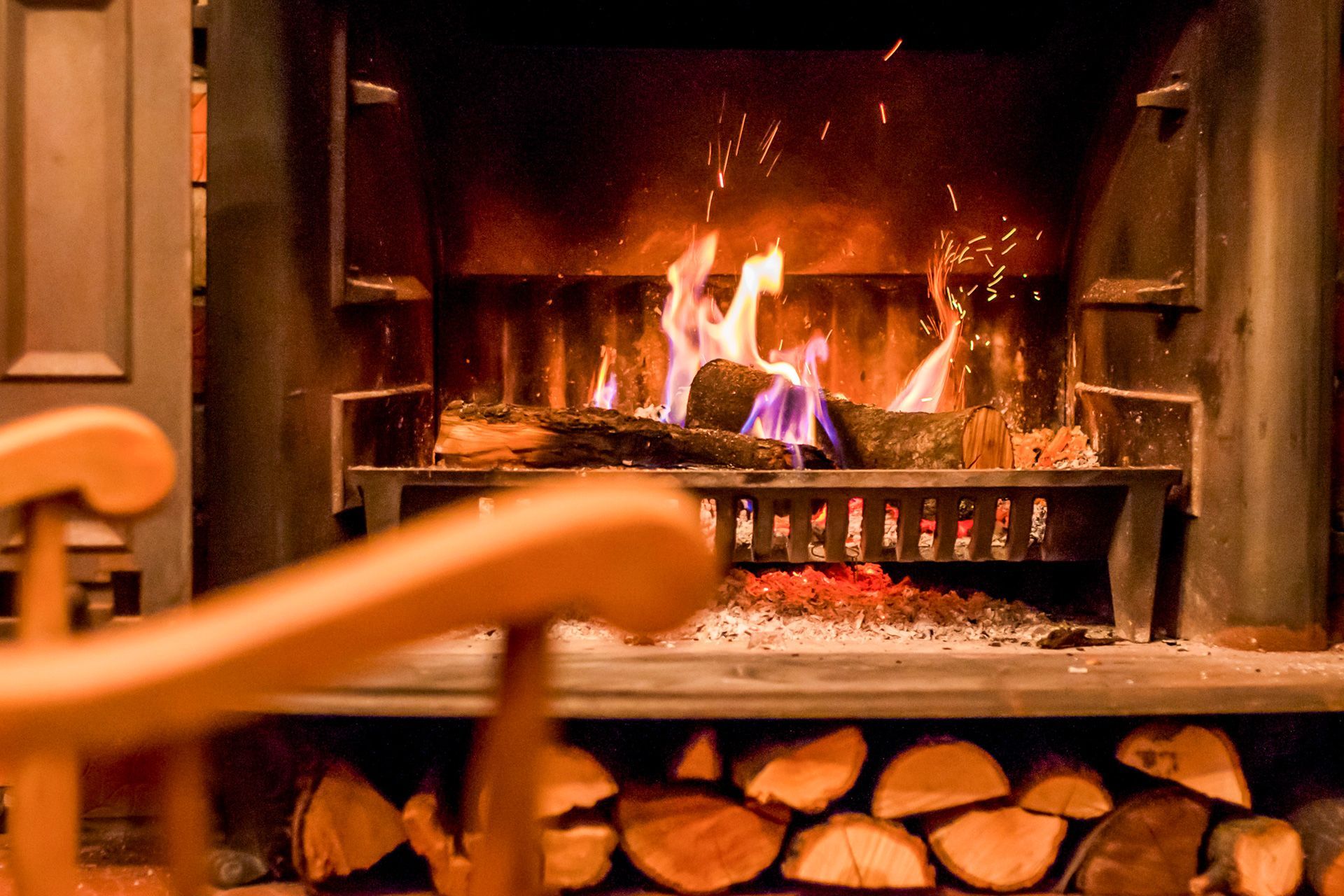
- Creosote buildup: Creosote forms when wood burns and smoke moves through the chimney. If it collects inside the flue, it can become a fire hazard.
- Blocked flue areas: Leaves, twigs, nests, or loose debris can restrict airflow. Poor airflow can push smoke or gases back toward the home.
- Cracked masonry: Damaged brick, worn mortar, or a cracked crown can let water in and weaken the chimney over time.
- Damaged firebox materials: Cracks or gaps inside the firebox can affect safe use and should be reviewed before using the fireplace.
- Damper problems: A damper that sticks, rusts, or fails to open fully can affect ventilation and the movement of smoke.
How Inspections Help Lower Fire Risk
One of the main reasons to schedule an inspection is to reduce fire risk. Wood-burning fireplaces can create creosote, and heavy deposits may ignite under certain conditions.
A professional review can identify visible buildup, damaged components, and signs that cleaning or deeper evaluation may be needed. It can also reveal cracks, gaps, loose materials, or worn liners that may affect how heat and smoke move through the system.
Chimney cleaning and inspection are especially important before the main burning season, after heavy fireplace use, or when the fireplace inspection has not been done in a long time.
How Smoke Damage Starts
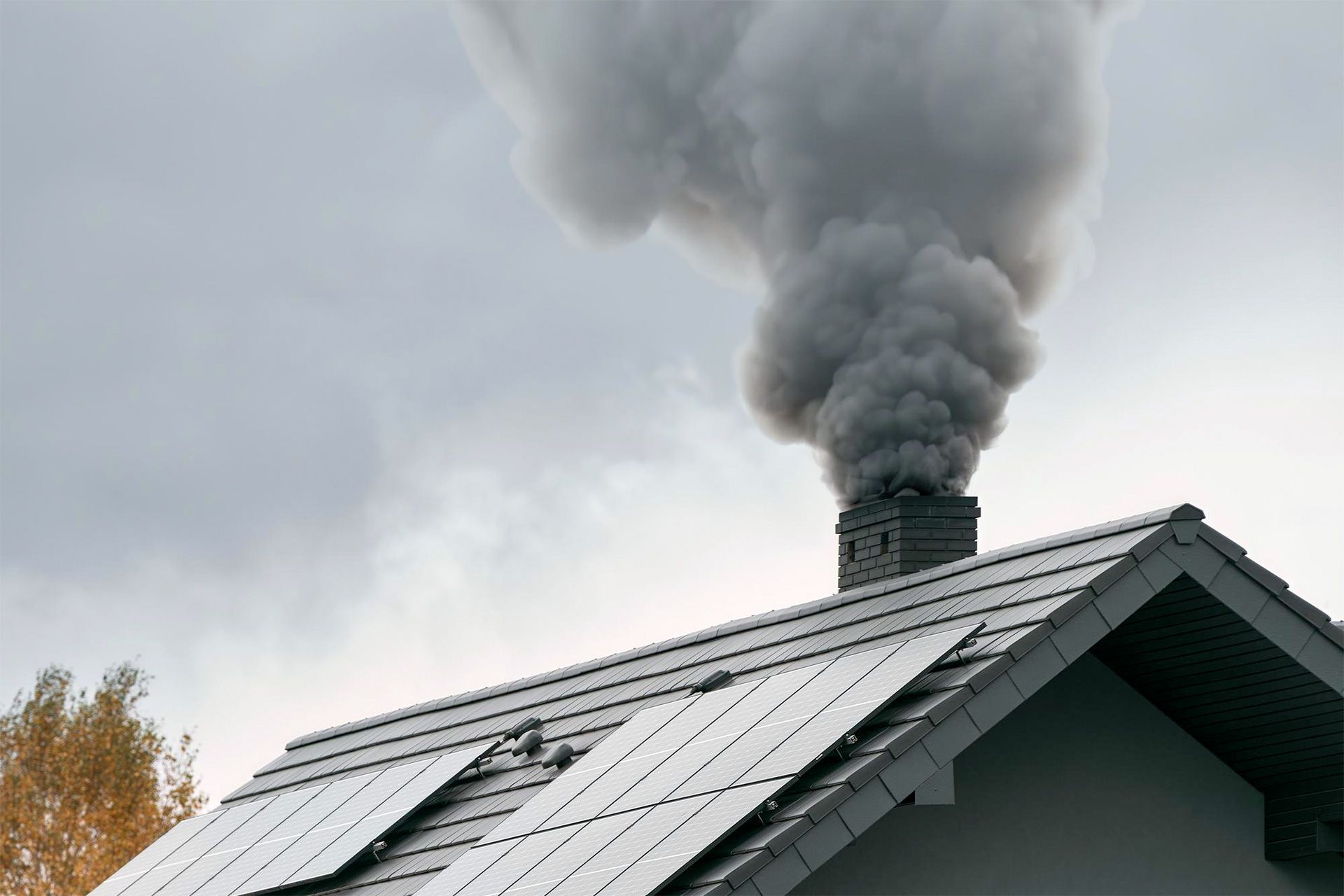
Smoke damage can happen when the chimney does not draft properly. Draft is the movement of smoke up through the chimney and out of the home. When the draft is weak or blocked, smoke may spill into the room.
Restricted flues, closed dampers, wet wood, poor airflow, and debris can all cause smoke problems. Over time, smoke can stain walls, ceilings, mantels, furniture, and nearby surfaces.
If smoke enters the room, stop using the fireplace until you have addressed the issue. Smoke backup is not normal and should not be ignored.
Water Damage Can Create Bigger Problems
Water is one of the most common causes of chimney deterioration. Rain can enter through a missing cap, damaged crown, cracked masonry, or poor flashing. Once moisture enters, it can damage brick, mortar, metal parts, and nearby interior materials.
Freeze-thaw cycles can worsen small cracks. Water enters a small opening, freezes, expands, and widens the damage. Over time, this can lead to loose masonry, staining, rust, and structural concerns.
A visual review can help identify signs of water entry before the water damage spreads.
Chimney Safety Tips for Everyday Use
These chimney safety tips can help homeowners reduce risk between professional visits.
- Burn dry, seasoned wood: Wet wood creates more smoke and can increase creosote buildup. Dry wood burns cleaner and helps support a better draft.
- Keep the hearth clear: Keep furniture, rugs, décor, and other combustible items away from the fireplace opening. Sparks can escape even during normal use.
- Use working alarms: Test smoke alarms and carbon monoxide alarms regularly. They provide an important warning if smoke or gases enter the home.
- Open the damper before lighting a fire: A closed or partly closed damper can push smoke back indoors. Confirm airflow before starting the fire.
How Chimneys Support Home Comfort
A chimney does more than sit above the roofline. It helps move smoke, heat, and combustion gases safely away from the living space when a fireplace or fuel-burning appliance is in use. A well-designed chimney also supports proper airflow, helping the fire burn more efficiently and keeping smoke from collecting indoors.
Materials such as brick, mortar, metal liners, caps, and flashing work together to protect the home from heat, weather, and moisture. Because chimneys are exposed to rain, wind, humidity, and temperature changes, regular care helps preserve their function and appearance over time.
When Should You Schedule an Inspection?
Schedule a chimney review before the main burning season, before buying a home with a fireplace, after storm damage, or when you notice smoke, odor, cracks, staining, or moisture.
You should also consider having the chimney cleaned and inspected if the fireplace has not been used in years. Lack of use does not mean the system is problem-free. Debris, animal entry, rust, and moisture damage can still develop.
If you recently purchased the home, a current review provides more information than relying solely on the seller's memory.
What an Inspection Includes
The exact scope depends on the provider and the system. A visual fireplace or chimney inspection may include a review of the firebox, damper, hearth, surround, visible flue area, chimney exterior, crown, cap, and any accessible signs of damage.
More advanced chimney inspection services may include camera equipment, sweeping, repair evaluation, or deeper flue review by a qualified chimney specialist. If a basic inspection finds concerns, a specialist may recommend further evaluation.
Before scheduling, ask what is included and whether cleaning is part of the service.
Conclusion
Chimneys carry heat, smoke, and gases out of the home. When creosote, cracks, blockages, water damage, or poor airflow go unnoticed, the risk of fire and smoke can increase. Regular inspections, smart maintenance, and simple chimney safety tips can help homeowners use fireplaces with more confidence.
CHC Home Inspection helps buyers, sellers, and homeowners understand visible chimney-related concerns during property decisions. Our team provides clear findings, photos, and easy-to-read reports that explain what was observed and why it may matter.
We review accessible fireplace components, visible safety concerns, hearth condition, damper operation (where accessible), and exterior clues (when visible). If deeper flue evaluation, sweeping, repair, or specialist review is needed, we clearly recommend the next step.
Clients choose CHC for licensed, insured Kentucky inspection support, quick reports whenever possible, and clear communication from start to finish. With 1200+ five-star reviews and multiple services under one trusted company, we help make the inspection process easier.
Contact us today for chimney inspection services.
FAQs
How Often Should a Chimney Be Inspected?
Many homeowners schedule a chimney or fireplace review once a year, especially before the main burning season. More frequent review may be needed after heavy use, storm damage, smoke backup, or visible cracks.
Is Chimney Cleaning Always Needed With an Inspection?
Not always. Cleaning depends on buildup, use, and system condition. An inspection can help determine whether sweeping or specialist cleaning is recommended.
What Are Signs My Chimney May Be Unsafe?
Warning signs include smoke entering the room, strong odors, cracked masonry, damaged firebox materials, water stains, rusted dampers, missing chimney caps, or debris in the fireplace.
Can an Unused Fireplace Still Have Chimney Problems?
Yes. An unused fireplace can still develop water damage, animal nests, loose masonry, blocked airflow, or damper issues. Lack of use does not always mean the system is safe.
Does CHC Clean Chimneys?
CHC Home Inspection provides visual support for fireplace inspections and documents accessible concerns. If cleaning, camera review, or chimney repair is needed, we may recommend a qualified chimney professional.
Disclaimer: The information on this website and blog is for general informational purposes only and is not professional advice. We make no guarantees of accuracy or completeness. We disclaim all liability for errors, omissions, or reliance on this content. Always consult a qualified professional for specific guidance.
Search Blog
Contact Us
Recent Post

Certificates


5+
Years Experienced
1200+
5 Star Reviews