Townhouse Inspection Tips for Homebuyers
Buying a townhouse can feel like the right balance between a condo and a single-family home. You may get private entrances, multiple floors, more space, and less exterior upkeep than a detached property. Still, townhouses have unique inspection considerations because some parts are yours, some are shared, and some are governed by an HOA.
Shared walls, attached roofs, balconies, exterior drainage, plumbing paths, HVAC placement, and attic access can all affect comfort and long-term value. The goal is to understand the unit clearly before closing, not after moving boxes inside.
Start With Ownership Boundaries
Before reviewing the residential or commercial property, ask what the unit owner is responsible for and what the association covers. Townhomes can vary by community. In one neighborhood, the owner may handle the roof, siding, windows, and deck. In another, the HOA may handle some exterior items.
This matters because inspection findings are easier to understand when you know who maintains each component. A damaged balcony, roof leak, exterior crack, or drainage issue may become your responsibility, the association’s responsibility, or a shared concern.
Ask for HOA documents, maintenance rules, reserve information, and recent repair history. If the inspector notes a concern, these records can help you know who should address it.
Review the Roof and Attic Access
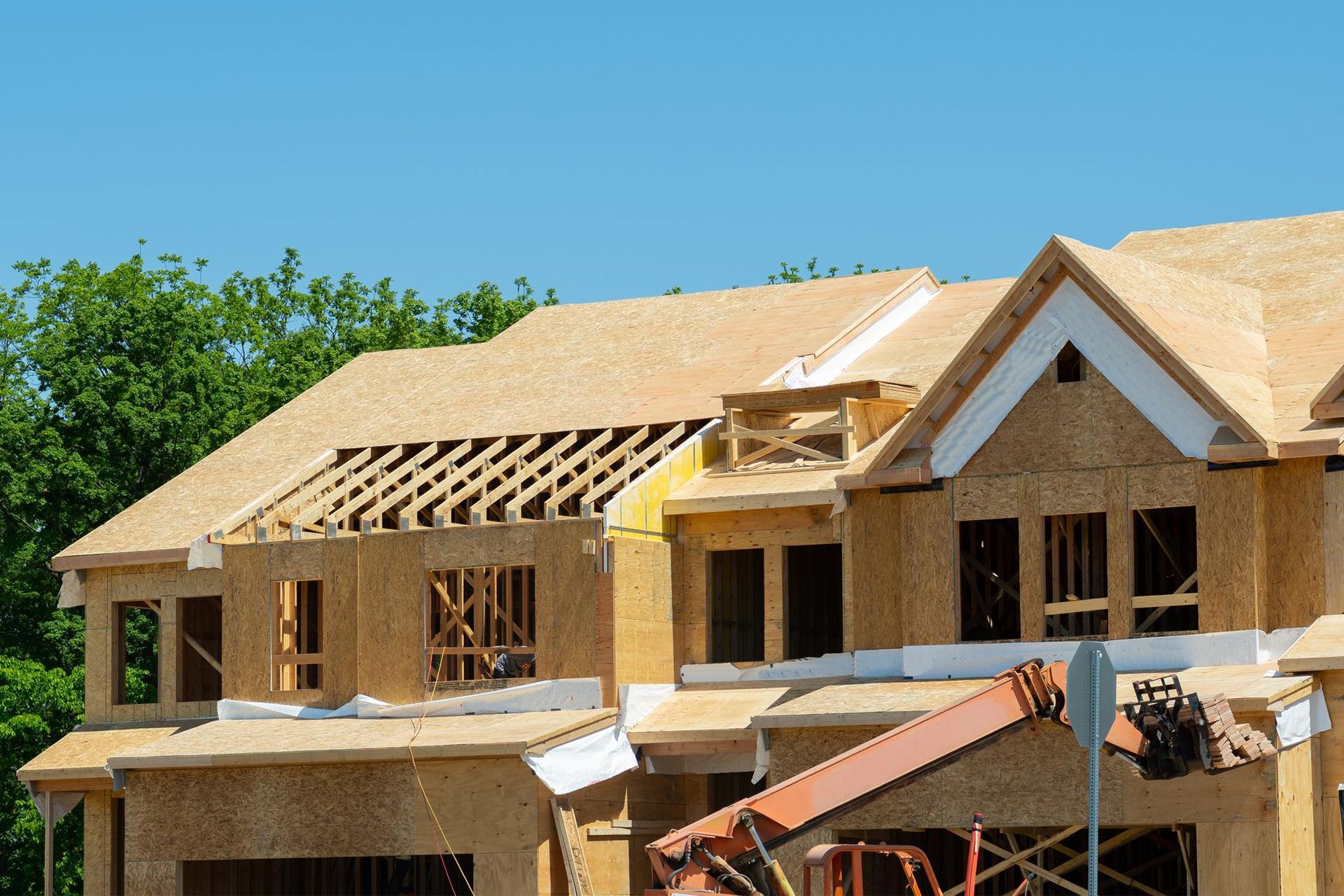
Townhouse roofs can be harder to evaluate due to their height, tight spacing, attached units, and limited safe access. Even when you can't walk the roof, visible conditions still matter. Document missing shingles, damaged flashing, poor drainage, or signs of past leaks.
If attic access is available, the inspector may look for signs of roof leaks, insulation issues, ventilation problems, staining, or moisture. Attic findings can reveal issues that are not visible from the outside.
Buyers should ask whether the owner or the HOA handles roof maintenance. A roof that looks shared may still involve individual owner responsibility under the community documents.
Check Exterior Walls, Windows, and Doors
The exterior protects the home from rain, wind, sun, and moisture. In a townhouse, water can move across shared surfaces and affect more than one unit. Pay close attention to siding, brick, trim, windows, exterior doors, caulking, and flashing.
Look for cracks, stains, gaps, loose materials, soft trim, peeling paint, or water marks around openings. Windows should open, close, latch, and seal properly. Doors should not drag, bind, or show water damage near the threshold.
If the unit has a deck, balcony, patio, or small yard, check railings, surface condition, drainage, and attachment points.
Use a Practical Interior Review
A buyer-friendly Townhouse inspection checklist should include every room, not just the main living areas. Small signs inside the unit may point to larger concerns behind walls, above ceilings, or near shared systems.
Focus on these interior areas:
- Walls and ceilings: Look for stains, cracks, patchwork, bubbling paint, or uneven surfaces. These signs may point to past leaks or repairs that need more questions.
- Floors and stairs: Walk each level carefully. Soft flooring, sloped areas, loose stair parts, or squeaks may show wear or support concerns.
- Doors and windows: Test interior doors, closet doors, windows, and locks. Sticking doors may indicate a need for adjustment, movement, or humidity issues.
- Noise and shared walls: Listen for sound transfer from nearby units or mechanical rooms. Noise is not always a defect, but it affects daily comfort.
Pay Close Attention to Plumbing
Townhouse plumbing can be more complex than it appears. Supply and drain lines may pass through shared walls, ceilings, floors, or utility areas. A leak from one unit may affect another unit, and a stain in your unit may come from above or next door.
Run water at sinks, tubs, showers, and laundry connections when accessible. Watch for slow drains, weak pressure, dripping fixtures, loose toilets, damaged caulking, and stains under cabinets. Check around the water heater for corrosion, leaks, and visible safety concerns.
Check Electrical Safety and HVAC Comfort
Electrical and HVAC systems affect safety, comfort, and daily use. A townhouse may have individual equipment, shared exterior equipment, or panels located in tight utility areas.
Check outlets, switches, lighting, GFCI protection near wet areas, panel access, visible wiring concerns, missing covers, and signs of overheating. Kitchen, bathroom, garage, laundry, and exterior outlets deserve close review.
For heating and cooling, test the thermostat and ask whether the system responds properly. Walk through each room and check airflow at supply vents and returns. Weak airflow upstairs, noisy equipment, blocked vents, or poor filter access may affect comfort after move-in.
Understand Structure and Foundation Clues
Attached homes can still have foundation or structural concerns. The inspector may review visible foundation areas, crawl spaces, basements, framing clues, settlement cracks, floors, walls, and ceiling lines where accessible.
Watch for wide cracks, doors that do not fit properly, sloping floors, water intrusion, or moisture near lower levels. Not every crack is serious, but buyers should know which items deserve further evaluation.
In attached housing, structural questions can be more complex because walls, roofs, and foundations may be shared with neighboring units.
Ask About Shared Systems and HOA Rules
Townhouse communities often include shared systems or common elements. These may include roofing, exterior walls, landscaping, driveways, sidewalks, drainage areas, retaining walls, parking areas, pools, or community utilities.
Before closing, ask these questions:
- Who maintains the exterior? Know whether the owner or HOA handles siding, roof, windows, decks, balconies, and drainage. This affects future maintenance duties.
- Are repairs or assessments planned? Upcoming roof replacement, drainage work, paving, or exterior repairs may affect your post-closing budget.
- What insurance is required? Understand what the HOA policy covers and what your personal policy must cover.
- Are there rental or renovation rules? Some communities limit rentals, exterior changes, flooring, pets, or improvements.
These questions turn inspection findings into useful buying decisions.
Consider Specialty Add-Ons
A standard inspection may not cover every concern. Buyers may consider extra services based on age, access, and visible conditions. A sewer scope may review the underground line when accessible. Radon testing can provide information about radon levels. Mold testing or air testing may help when there are odors, stains, or past water damage.
A termite or WDI review may be important when there is wood damage, moisture issues, crawl space concerns, or real estate requirements.
How the Inspection Report Helps
A Townhouse inspection should give buyers more than a list of defects. A strong report explains what was observed, why it matters, and when further evaluation may be needed. Photos, notes, and clear descriptions help you talk with your agent, seller, HOA, or contractor.
Use the report to separate urgent safety concerns from normal maintenance. This makes negotiations more practical and less emotional. It also gives you a useful reference after closing.
Conclusion
A townhouse can be a great home, but buyers should look beyond location, layout, and finishes. Shared walls, HOA rules, roof access, exterior maintenance, plumbing routes, HVAC performance, electrical safety, and interior moisture clues all deserve attention before closing.
Use a clear Condominium Inspection Checklist mindset when reviewing attached housing, but remember that townhomes often include more owner responsibility than condos. With the right questions and a professional inspection, you can move forward with better information.
CHC Home Inspection helps buyers make clearer decisions before closing. Our licensed and insured Kentucky inspectors carefully review visible and accessible areas, explain findings in simple language, and provide detailed digital reports with helpful photos.
Schedule your townhouse inspection today and get the clarity you need before making your final decision.
FAQs
Is a townhouse inspection different from a condo inspection?
Yes. A townhouse may include more owner responsibility for the roof, exterior, attic, foundation, or yard areas. A condo inspection often focuses more on the unit interior, but rules vary.
Should I review HOA documents before closing?
Yes. HOA documents explain maintenance duties, rules, fees, reserves, repairs, and shared responsibilities. These details can affect how inspection findings are handled.
What should buyers check during the walkthrough?
Buyers should check walls, ceilings, floors, windows, doors, plumbing fixtures, electrical outlets, HVAC airflow, appliances, balconies, patios, and visible moisture signs.
Can a townhouse have roof or foundation issues?
Yes. Townhomes can have roof leaks, drainage problems, foundation movement, settlement cracks, or moisture concerns just like detached homes.
Should I use a Condominium Inspection Checklist for a townhouse?
It can help, but it should be expanded. Townhouse buyers should also review exterior components, roof access, attic space, foundation indicators, and HOA maintenance responsibilities.
Disclaimer: The information on this website and blog is for general informational purposes only and is not professional advice. We make no guarantees of accuracy or completeness. We disclaim all liability for errors, omissions, or reliance on this content. Always consult a qualified professional for specific guidance.
Search
Recent Post