What Does a Home Inspection Include? Buyer’s Guide
Buying a home is one of the biggest financial decisions most Americans will ever make. Before you sign on the dotted line, it’s essential to understand the true condition of the property. That’s where a home inspection comes in.
If you’re wondering, “What does a home inspection include?” this comprehensive buyer’s guide will walk you through everything you need to know, from what inspectors examine to what’s not covered and how to prepare for the process.
What Is a Home Inspection?
A home inspection is a professional, visual evaluation of a property’s condition. It typically takes place after a seller accepts a buyer’s offer but before the sale is finalized. The goal is to identify existing issues, safety concerns, and potential future problems.
A licensed home inspector evaluates the home’s major systems and structural components and provides a detailed written report outlining findings.
For buyers in the USA, a home inspection is usually a contingency in the purchase agreement. This means you can negotiate repairs, request credits, or even withdraw from the deal if significant problems are discovered.
What Does a Home Inspection Include?
While inspections may vary slightly depending on the property and state regulations, most standard home inspections cover the following key areas:
1. Roof
The roof protects everything beneath it, so it’s one of the most critical components inspected.
The inspector will check:
- Shingles or roofing materials
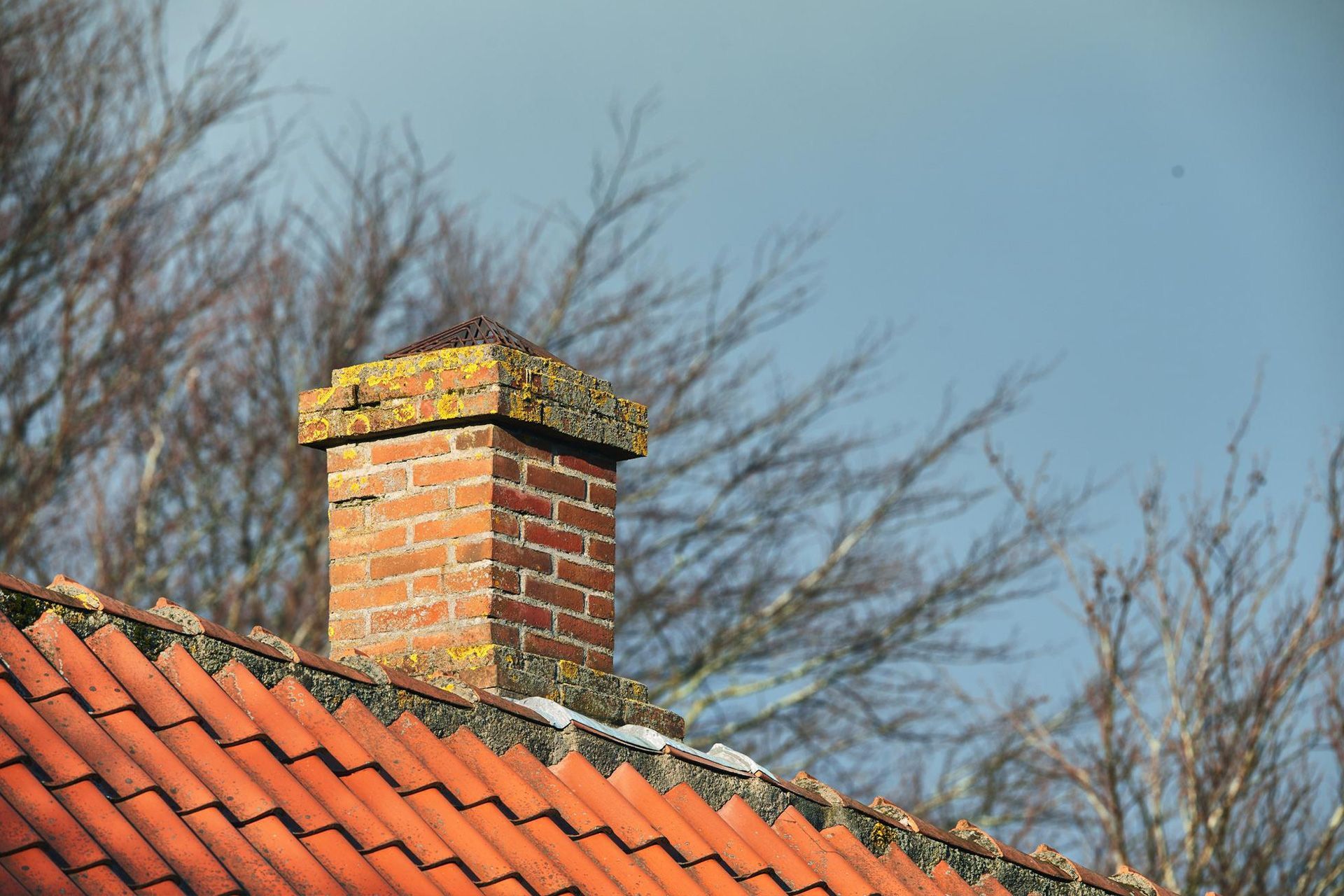
- Flashing around chimneys and vents
- Signs of leaks or water intrusion
- Roof structure (if accessible)
- Gutters and downspouts
They’ll look for missing shingles, sagging areas, poor drainage, or signs of aging that could lead to expensive repairs.
2. Exterior
The exterior evaluation focuses on the structural integrity and overall condition of the outside of the home.
Inspectors assess:
- Siding and exterior walls
- Foundation
- Grading and drainage
- Driveways and walkways
- Decks, balconies, and porches
- Garage doors
They look for cracks in the foundation, improper grading that could cause water damage, wood rot, and structural concerns.
3. Structural Components
The inspector examines the home’s framework to ensure it’s sound and stable.
This includes:
- Foundation
- Basement and crawlspaces
- Floor structure
- Wall structure
- Ceiling structure
- Visible framing
Signs of structural problems may include uneven floors, cracks in walls, water damage, or sagging beams.
4. Plumbing System
A home’s plumbing system is thoroughly evaluated for functionality and leaks.
Inspectors check:
- Visible pipes
- Water supply lines
- Drainage systems
- Faucets and fixtures
- Water heater
- Water pressure
They look for corrosion, leaks, improper installations, and signs of past water damage.
5. Electrical System
Electrical issues can pose serious safety hazards. The inspector will assess:
- Main service panel
- Circuit breakers
- Wiring
- Outlets and switches
- Grounding systems
They ensure the electrical system meets safety standards and look for outdated wiring, overloaded circuits, or fire hazards.
6. HVAC System (Heating and Cooling)
Heating and cooling systems are evaluated for proper operation and safety.
Inspectors examine:
- Furnace
- Air conditioning unit
- Ductwork
- Thermostats
- Ventilation
They check for proper airflow, maintenance concerns, unusual noises, and signs of aging equipment.
7. Interior
The interior inspection covers:
- Walls
- Ceilings
- Floors
- Doors and windows
- Staircases
- Cabinets and countertops
Inspectors look for cosmetic damage, structural concerns, water stains, and signs of mold or moisture issues.
8. Insulation and Ventilation
Proper insulation and ventilation impact energy efficiency and moisture control.
The inspector checks:
- Attic insulation
- Crawlspace insulation
- Ventilation systems
- Signs of condensation or mold
Poor ventilation can lead to mold growth and structural deterioration.
9. Appliances (If Included)
If appliances are part of the sale, inspectors typically test:
- Oven and range
- Dishwasher
- Garbage disposal
- Built-in microwave
They verify basic functionality but do not perform in-depth performance testing.
What a Home Inspection Does NOT Include
It’s equally important to understand what’s not included in a standard home inspection.
Typically excluded:
- Cosmetic issues
- Code compliance checks
- Inside walls or concealed spaces
- Septic system (requires separate inspection)
- Well water testing
- Pest or termite inspections (often separate)
- Radon testing
- Mold testing
- Pool and spa inspections
Many of these services can be added as separate inspections for an additional fee.
Why a Home Inspection Is Important for Buyers
A home inspection protects you in several key ways:
1. Identifies Major Issues
Structural damage, roof problems, plumbing leaks, or faulty wiring can cost thousands of dollars. An inspection helps you avoid unexpected expenses.
2. Provides Negotiation Power
If the inspection reveals issues, you can:
- Request repairs
- Ask for a price reduction
- Negotiate seller credits
- Walk away from the deal (if within contingency period)
3. Offers Peace of Mind
Even if no major issues are found, you gain confidence knowing the home has been professionally evaluated.
How Long Does a Home Inspection Take?
Most home inspections take:
- 2 to 4 hours for average-sized homes
- Longer for larger or older properties
Buyers are encouraged to attend the inspection to ask questions and gain firsthand insight into the home’s condition.
How Much Does a Home Inspection Cost in the USA?
Prices vary based on:
- Home size
- Location
- Age of property
- Additional services requested
Considering the potential cost of hidden issues, this fee is a smart investment.
What Happens After the Inspection?
After the inspection, you’ll receive a detailed report, often within 24–48 hours. The report includes:
- Photos
- Descriptions of findings
- Safety concerns
- Maintenance recommendations
- Major defects
From there, you can decide how to proceed with the seller.
Tips for Buyers Before a Home Inspection
To get the most value from your inspection:
- Attend the inspection.
- Prepare a list of questions.
- Review the seller’s disclosure.
- Avoid focusing only on minor cosmetic issues.
- Understand that no home is perfect, even new construction.
Final Thoughts
So, what does a home inspection include?
In short, it covers the home’s major systems and structural components, giving you a clear picture of the property’s condition before you finalize your purchase.
For buyers in the USA, a professional home inspection is not just a formality, it’s a critical step in protecting your investment and ensuring your new home is safe, functional, and structurally sound.
Schedule your professional home inspection today and move forward with confidence in your home purchase.
Frequently Asked Questions (FAQs)
Is a home inspection required when buying a home?
No, it’s not legally required in most states, but it is highly recommended and often included as a contingency in purchase contracts.
Can a home fail an inspection?
A home does not “pass” or “fail.” The inspection simply reports the condition of the property. It’s up to the buyer and seller to decide how to handle any issues.
Should I attend the home inspection?
Yes. Attending allows you to ask questions and better understand the home’s condition.
Do new homes need inspections?
Yes. Even newly built homes can have construction defects or incomplete work.
Can a seller refuse to make repairs?
Yes. Sellers are not required to fix issues, but buyers can negotiate or withdraw based on the inspection contingency.
Disclaimer: The information on this website and blog is for general informational purposes only and is not professional advice. We make no guarantees of accuracy or completeness. We disclaim all liability for errors, omissions, or reliance on this content. Always consult a qualified professional for specific guidance.
Search
Recent Post