Top Home Inspection Red Flags That Cost You Thousands
Buying a home is one of the biggest financial decisions most Americans will ever make. While a house may look perfect on the surface, hidden problems can quickly turn your dream purchase into a financial nightmare. That’s why a professional home inspection is so important. It reveals serious issues before you sign on the dotted line, and before they cost you thousands of dollars in repairs.
In this article, we’ll break down the most common home inspection red flags that can drain your wallet, reduce property value, and even create safety hazards. Knowing what to watch for can help you negotiate smarter, plan repairs, or walk away from a risky investment.
1. Foundation Cracks and Structural Damage
The foundation is literally what your home stands on. Structural problems are among the most expensive issues uncovered during a home inspection.
Warning Signs:
- Large horizontal cracks in the foundation
- Uneven floors
- Doors or windows that stick
- Bowed basement walls
Small hairline cracks may be normal settling, but wide or horizontal cracks often signal structural movement. Repairs can range from a few thousand dollars for minor stabilization to a lot more for major foundation work.
Structural problems rarely get cheaper over time, they almost always worsen.
2. Roof Damage or Aging Roof Systems
A damaged or aging roof is another major red flag. Roof replacement is one of the most costly home repairs.
Common Roof Issues:
- Missing or curling shingles
- Soft spots
- Active leaks
- Poor flashing around chimneys and vents
- Roof older than 15–20 years (depending on material)
A full roof replacement can cost a lot, depending on size and materials. Even small leaks can lead to water damage, mold growth, and insulation problems.
3. Electrical System Problems
Electrical issues aren’t just expensive, they can be dangerous.
Major Electrical Red Flags:
- Outdated wiring (like knob-and-tube or aluminum wiring)
- Overloaded breaker panels
- Double-tapped breakers
- Improper grounding
- DIY electrical work
Homes built before the 1980s may have outdated systems that can’t handle modern appliances. Rewiring a home can cost a lot. Additionally, faulty wiring is a leading cause of house fires.
A thorough inspection helps uncover hidden electrical hazards before they become emergencies.
4. Plumbing Leaks and Water Damage
Water is one of the most destructive forces in a home. Plumbing issues may start small but can quickly become major repairs.
What Inspectors Look For:
- Leaking pipes
- Low water pressure
- Corroded plumbing lines
- Active water stains
- Signs of past water damage
Old galvanized pipes often need full replacement. Sewer line problems can cost a lot to repair or replace. Hidden leaks can also lead to structural rot and mold growth.
If you see water stains on ceilings or walls, it’s important to determine whether the issue is active or previously repaired.
5. HVAC System Failure
Heating and cooling systems are essential in most parts of the United States. Replacing an HVAC system isn’t cheap.
HVAC Red Flags:
- System older than 15–20 years
- Uneven heating or cooling
- Strange noises
- Poor airflow
- Rusted components
A full HVAC replacement can cost a lot. Older systems may still function but could fail soon after purchase.
An inspector will evaluate whether the system is operating properly and estimate its remaining life expectancy.
6. Mold and Moisture Issues
Mold is more than an unpleasant smell, it can cause serious health problems and expensive remediation.
Signs of Mold Problems:
- Musty odors
- Visible mold growth
- Excess humidity in crawlspaces or basements
- Poor ventilation in bathrooms and attics
Mold remediation can cost a lot, depending on severity. Chronic moisture issues often point to larger problems like poor drainage or roofing failures.
Ignoring mold almost always leads to bigger structural and health concerns.
7. Termite and Pest Damage
Wood-destroying insects cause billions of dollars in property damage each year in the U.S.
Red Flags Include:
- Hollow-sounding wood
- Mud tubes along foundation walls
- Droppings
- Damaged framing
- Sagging floors
Termite damage can weaken structural components and require costly repairs. Treatment itself may cost a few thousand dollars, but structural repairs can be much more expensive.
Many lenders require termite inspections before approving a mortgage in certain states.
8. Poor Drainage and Grading
Improper grading around a home may not seem serious, but it can lead to major foundation and basement issues.
Warning Signs:
- Water pooling near foundation
- Downspouts dumping water next to the home
- Erosion around property
- Damp basement walls
Water should always flow away from the house. Correcting grading and drainage may involve landscaping, French drains, or sump pump installation, all of which can add up quickly.
9. DIY Repairs and Unpermitted Work
Not all upgrades are improvements. Poorly done DIY work can create hidden hazards.
Common Problems:
- Unpermitted additions
- Improperly installed decks
- Plumbing patched incorrectly
- Unsafe electrical modifications
Unpermitted work can create legal issues and prevent you from selling later. Fixing improper installations often costs more than doing it correctly the first time.
10. Attic and Insulation Issues
The attic plays a key role in energy efficiency and moisture control.
Inspection Red Flags:
- Inadequate insulation
- Improper ventilation
- Signs of roof leaks
- Animal intrusion
Poor insulation increases energy bills. Ventilation issues can lead to condensation, mold, and roof deterioration.
Upgrading insulation may cost a few thousand dollars, but untreated moisture damage can cost far more.
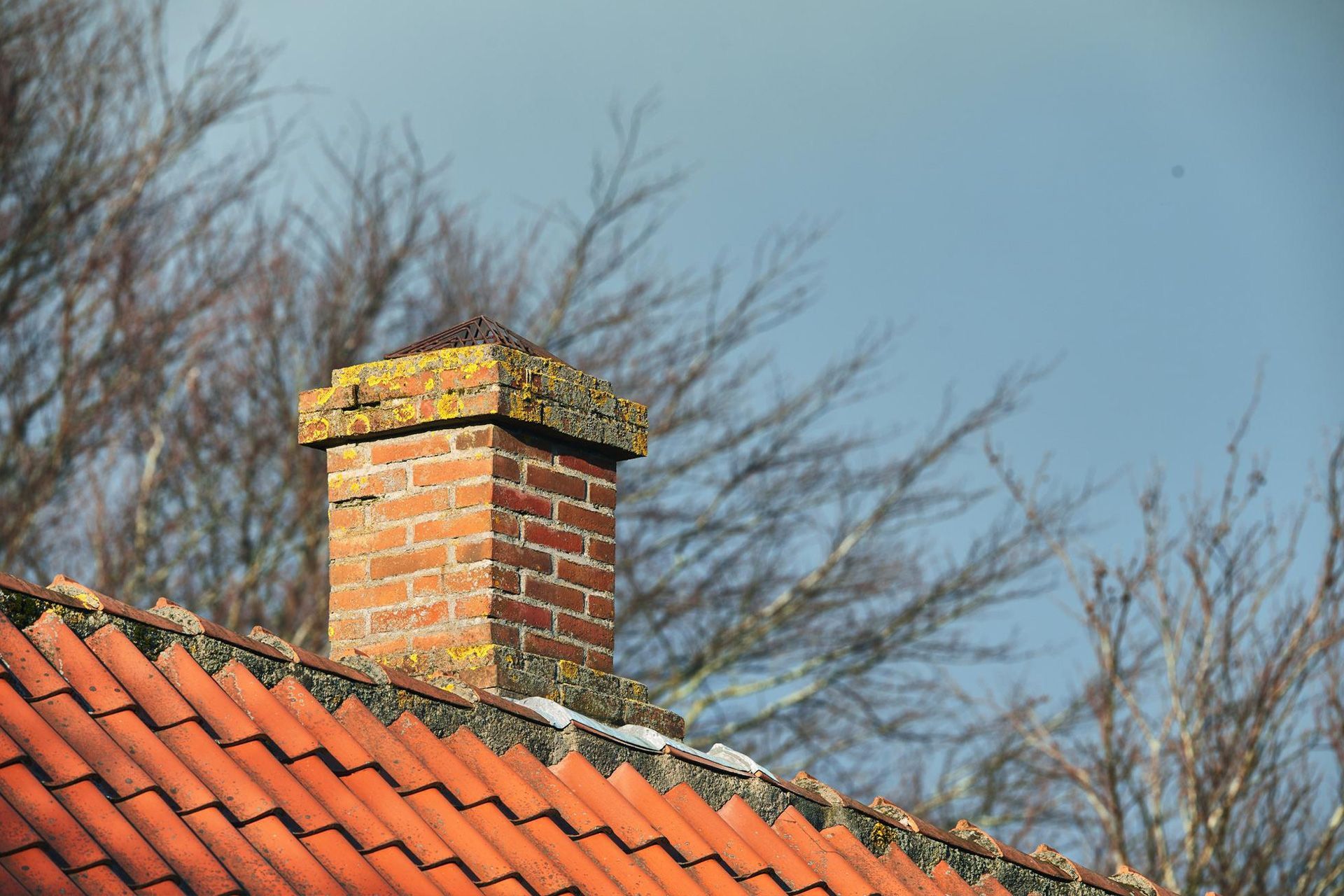
11. Cracked or Damaged Chimney
A damaged chimney isn’t just cosmetic, it can affect structural stability and fire safety.
Warning Signs:
- Cracked bricks
- Leaning chimney
- Missing mortar
- Rusted flue liner
Why These Red Flags Matter
Some issues are cosmetic. Others are financial disasters waiting to happen.
A professional home inspection helps you:
- Avoid surprise repair bills
- Negotiate seller credits
- Request repairs before closing
- Walk away from risky properties
- Budget accurately for future maintenance
Skipping an inspection to save a few hundred dollars can cost you tens of thousands later.
A home inspection isn’t just a formality, it’s your financial safety net. Identifying red flags early protects your investment and gives you the confidence to move forward.
Schedule your professional home inspection today and protect yourself from costly surprises before closing.
FAQs
What is the biggest red flag in a home inspection?
Foundation and structural issues are typically the most serious and expensive problems discovered during an inspection.
Should I walk away from a house with inspection issues?
Not necessarily. Many issues can be negotiated or repaired. The key is understanding the severity and cost before making a decision.
Can a seller hide major problems?
Sellers are required to disclose known issues, but not all problems are visible. That’s why a professional inspection is essential.
How much does a home inspection cost in the U.S.?
Most home inspections cost depends on the size and location of the property.
Are older homes riskier to buy?
Older homes often have more maintenance needs, but they can still be great investments if properly inspected and maintained.
Disclaimer: The information on this website and blog is for general informational purposes only and is not professional advice. We make no guarantees of accuracy or completeness. We disclaim all liability for errors, omissions, or reliance on this content. Always consult a qualified professional for specific guidance.
Search
Recent Post