What Is a Commercial Inspection and Why Does It Matters?
When you’re investing in a commercial property, whether it’s an office building, retail space, warehouse, or multi-unit complex, you’re making a major financial decision. Unlike buying a home, commercial real estate transactions often involve larger investments, multiple stakeholders, and complex building systems. That’s where a commercial inspection becomes essential.
A commercial inspection provides a detailed evaluation of a property’s condition before a sale, lease, or major renovation. It helps buyers, investors, and property owners understand exactly what they are purchasing and what potential risks or costs may be ahead. In today’s competitive U.S. real estate market, skipping this step can lead to expensive surprises.
In this guide, we’ll explain what a commercial inspection is, what it includes, who needs one, and why it truly matters.
What Is a Commercial Inspection?
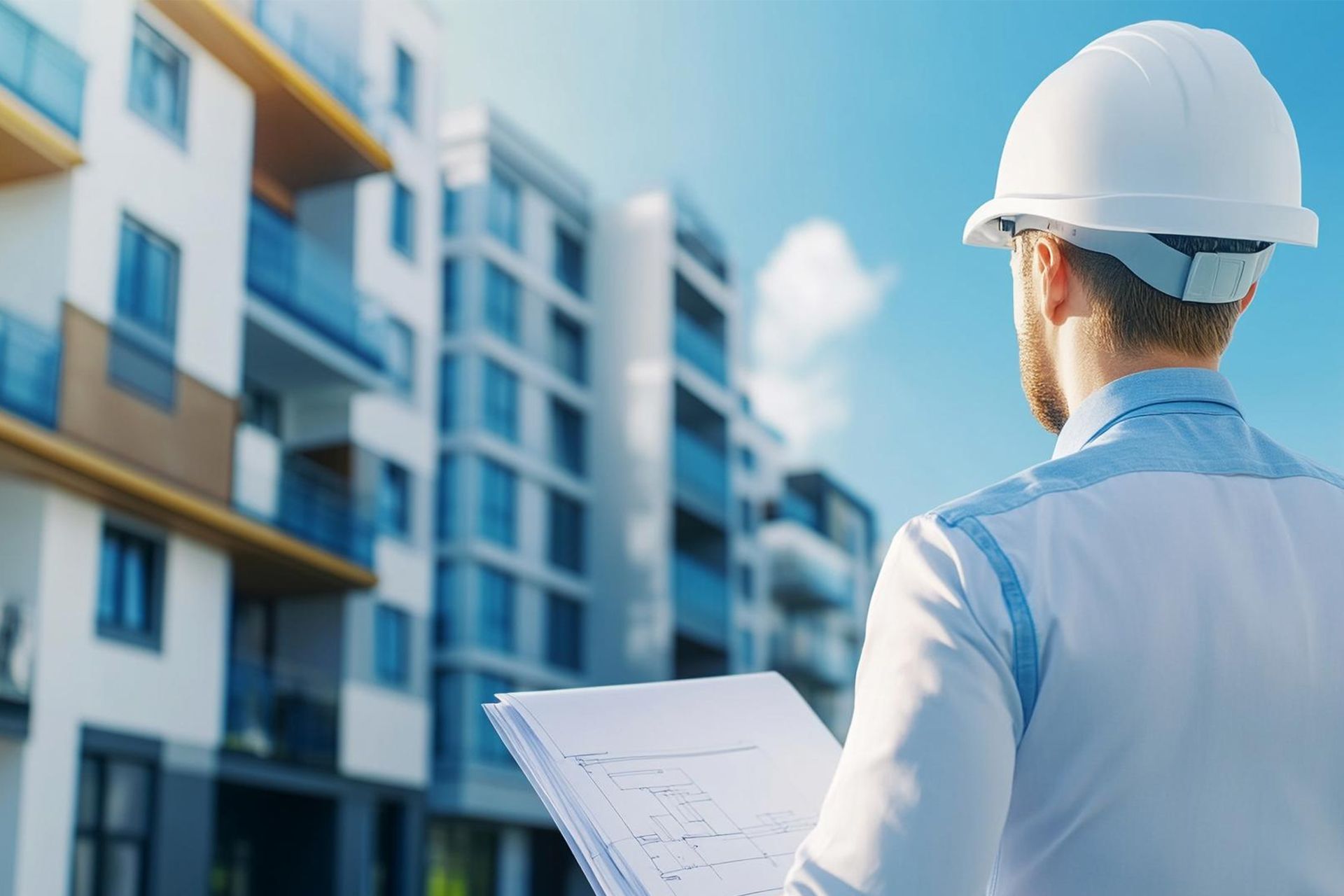
A commercial inspection is a comprehensive assessment of a commercial property’s physical condition. It is typically performed by a licensed and experienced commercial inspector who evaluates major building components and systems.
The goal is to identify:
- Structural issues
- Safety concerns
- Code-related problems
- Deferred maintenance
- Potential repair or replacement costs
Unlike residential inspections, commercial inspections are often broader in scope. They may be tailored to the property type, size, age, and intended use. The inspector documents findings in a detailed report, giving stakeholders the information they need to make informed decisions.
What Types of Properties Require Commercial Inspections?
Commercial inspections apply to a wide range of property types, including:
- Office buildings
- Retail centers
- Restaurants
- Warehouses and industrial facilities
- Medical buildings
- Apartment complexes (multi-family properties)
- Mixed-use buildings
- Hotels and hospitality properties
If the property is used for business purposes or generates income, it generally qualifies as commercial real estate and should undergo a commercial inspection before a transaction is finalized.
What Does a Commercial Inspection Include?
The exact scope may vary depending on the property, but most commercial inspections evaluate the following key areas:
1. Structural Components
The inspector examines the foundation, framing, load-bearing walls, and overall structural integrity. Structural issues can be extremely costly to repair, making this one of the most critical parts of the inspection.
2. Roofing System
Commercial roofs are often flat or low-slope systems, which can be prone to drainage issues. Inspectors assess:
- Roof covering materials
- Drainage systems
- Signs of leaks or ponding water
- Remaining useful life
Roof replacement on a commercial building can cost tens or even hundreds of thousands of dollars, so this evaluation is essential.
3. HVAC Systems
Heating, ventilation, and air conditioning systems in commercial properties are typically more complex than residential systems. Inspectors evaluate:
- Equipment age and condition
- Operational performance
- Maintenance history
- Potential repair needs
HVAC systems directly impact tenant comfort and operational efficiency.
4. Electrical Systems
Electrical systems must meet current safety standards and handle the building’s load requirements. The inspector checks:
- Main panels and subpanels
- Wiring conditions
- Safety hazards
- Capacity for future use
Outdated or overloaded systems can create serious safety risks.
5. Plumbing Systems
Plumbing inspections include:
- Water supply lines
- Drainage systems
- Fixtures
- Water heaters
- Signs of leaks or corrosion
Water damage and plumbing failures can disrupt business operations and lead to costly repairs.
6. Fire and Safety Systems
Commercial buildings must comply with strict safety regulations. Inspectors evaluate:
- Fire alarms
- Sprinkler systems
- Emergency exits
- Accessibility features
Safety compliance is not just about avoiding fines—it protects occupants and businesses operating within the property.
7. Exterior and Site Conditions
This includes:
- Parking lots and pavement
- Sidewalks
- Landscaping
- Drainage
- Exterior walls and windows
Poor site conditions can lead to liability concerns and future expenses.
How Is a Commercial Inspection Different from a Residential Inspection?
While both inspections assess property condition, commercial inspections differ in several key ways:
- Scope and complexity: Commercial buildings often have larger and more advanced systems.
- Customized reports: Reports may be tailored to meet investor, lender, or insurance requirements.
- Due diligence focus: Commercial inspections are often part of a broader due diligence process.
- Longer inspection time: Large buildings may take multiple days to inspect thoroughly.
Commercial inspections are often guided by standards such as the ASTM Property Condition Assessment framework, which is commonly used in the United States for evaluating commercial properties.
Why a Commercial Inspection Matters
1. Protects Your Investment
Commercial real estate purchases often involve millions of dollars. An inspection helps ensure that the investment is sound and free from hidden defects that could drain your budget.
2. Strengthens Negotiating Power
If the inspection reveals significant issues, buyers can:
- Renegotiate the purchase price
- Request repairs before closing
- Ask for seller credits
Having documented findings gives you leverage in negotiations.
3. Helps with Financial Planning
The inspection report often outlines:
- Immediate repair needs
- Short-term maintenance concerns
- Long-term capital improvements
This helps buyers forecast expenses and develop accurate budgets.
4. Reduces Liability Risks
Safety hazards, code violations, or structural problems can expose owners to lawsuits or regulatory penalties. Identifying and addressing these issues early reduces risk.
5. Supports Lender Requirements
Many lenders require a property condition assessment before approving financing. A commercial inspection provides the documentation needed to move forward with loan approval.
6. Prevents Business Disruptions
If you’re purchasing a property for your own business operations, unexpected system failures can interrupt productivity and revenue. An inspection helps you anticipate and prevent those disruptions.
Who Should Get a Commercial Inspection?
Commercial inspections are beneficial for:
- Real estate investors
- Business owners purchasing property
- Landlords acquiring rental buildings
- Developers
- Property managers
- Lenders
Even sellers may choose to conduct a pre-listing inspection to identify and address issues before marketing the property.
When Should You Schedule a Commercial Inspection?
The best time to schedule a commercial inspection is during the due diligence period after signing a purchase agreement but before closing.
This allows enough time to:
- Review the findings
- Consult specialists if needed
- Negotiate repairs or price adjustments
- Make an informed decision
Waiting until after closing removes your negotiating power and may leave you responsible for unexpected repairs.
What Happens After the Inspection?
After the inspection, you’ll receive a detailed written report. This report typically includes:
- Descriptions of observed conditions
- Photographs
- Maintenance recommendations
- Estimated remaining useful life of systems
From there, you can work with your real estate agent, attorney, or financial advisor to
determine next steps.
In some cases, the inspection may recommend further evaluation by specialists, such as structural engineers or environmental professionals.
Choosing the Right Commercial Inspector
Not all inspectors are qualified to handle commercial properties. When selecting a commercial inspection provider, look for:
- Experience with commercial buildings
- Knowledge of U.S. building standards
- Detailed, professional reporting
- Clear communication
- Proper licensing and insurance
A thorough inspection performed by a knowledgeable professional can make a significant difference in protecting your investment.
Common Mistakes to Avoid
To maximize the value of your commercial inspection, avoid these mistakes:
- Skipping the inspection to save money
- Choosing the cheapest inspector without verifying experience
- Ignoring inspection findings
- Failing to budget for recommended repairs
- Not reviewing the report carefully
A commercial inspection is not just a formality, it is a powerful decision-making tool.
Final Thoughts
Commercial real estate transactions are complex and financially significant. A commercial inspection provides the clarity and confidence you need before committing to a property.
By identifying structural concerns, safety issues, and maintenance needs, an inspection protects your investment, strengthens negotiations, and supports long-term planning. Whether you’re purchasing your first small office building or expanding a large real estate portfolio, a professional commercial inspection is one of the smartest steps you can take.
Schedule your professional commercial inspection today and make your next real estate investment with confidence.
Frequently Asked Questions (FAQs)
How long does a commercial inspection take?
The length depends on the size and complexity of the building. Small properties may take several hours, while large commercial facilities can take one to several days.
How much does a commercial inspection cost in the U.S.?
Costs vary based on property size, location, and scope. Commercial inspections typically cost more than residential inspections due to their complexity.
Is a commercial inspection required by law?
In most cases, it is not legally required, but lenders often require it before approving financing. Even when not required, it is strongly recommended.
Can I attend the commercial inspection?
Yes. Buyers are encouraged to attend so they can ask questions and gain firsthand insight into the property’s condition.
What if major issues are found?
You can renegotiate the price, request repairs, ask for credits, or walk away from the deal if your contract allows.
Do new commercial buildings need inspections?
Yes. Even new construction can have defects, incomplete work, or installation errors. An independent inspection ensures quality and safety.
Disclaimer: The information on this website and blog is for general informational purposes only and is not professional advice. We make no guarantees of accuracy or completeness. We disclaim all liability for errors, omissions, or reliance on this content. Always consult a qualified professional for specific guidance.
Search
Recent Post